Key Points (2026)
- Housing market: Colorado’s median home value sits at $529,754, down 2.4% year-over-year as the market resets from pandemic highs, with homes going pending in around 56 days, giving buyers more negotiating power than the past five years.
- Cost of living: Average monthly expenses for a single person total $3,926 including rent ($1,750 average), or $2,176 excluding rent, with families of four spending roughly $7,477 monthly including housing, substantially above the national average.
- Job market outlook: Colorado expects to add just 17,500 jobs in 2026 (0.6% growth), a modest improvement from 2025’s 0.4% growth but well below the 37,000 jobs economists projected; signaling a cooling labor market with unemployment expected at 4.1%.
- Altitude adjustment: Denver sits at 5,280 feet, Colorado Springs at 6,035 feet, and mountain towns exceed 8,000-10,000 feet, requiring 24-48 hours of gradual acclimatization to avoid headaches, fatigue, shortness of breath, and nausea that affect most newcomers.
- Best cities balance: Fort Collins, Longmont, Colorado Springs, Pueblo, and Centennial offer better affordability than Denver and Boulder while maintaining strong job markets, outdoor access, and quality amenities with Pueblo providing the lowest costs at $264,950 median home price.
Understanding the True Cost of Living in Colorado
Colorado’s cost of living sits roughly 15-20% above the national average, driven primarily by housing costs that consume larger portions of household budgets than most states. A single person can expect monthly expenses around $3,926 including rent, breaking down to approximately $1,750 for housing, $400 for food, $160 for transportation, and $176 for entertainment and social activities. Families of four face monthly costs around $7,477 including rent, with housing typically running $2,275 for a three-bedroom apartment in most Front Range communities.
These averages mask substantial regional variation. Denver metro area rents average $1,902 for a median apartment, while Boulder commands premium prices exceeding $2,200 monthly. Fort Collins and Colorado Springs offer moderate options around $1,650-$1,850, and Pueblo provides the most affordable major city housing at roughly $1,424 monthly median rent. The gap between expensive and affordable Colorado markets can represent $800-$1,000 in monthly housing savings, or nearly $10,000-$12,000 annually.
Beyond housing, Colorado’s grocery costs run about 5% above national averages, utilities average $175-$200 monthly depending on heating needs, and transportation costs vary dramatically based on whether you live in walkable urban neighborhoods with RTD transit access or suburban areas requiring personal vehicles. Car insurance tends to cost more than many Midwest and Southern states due to hail damage risks and higher vehicle values.
The state’s average salary of $5,400 monthly provides comfortable cushion for single people living modestly, representing 148% more than average monthly costs. However, families and those with student loans or significant debt find Colorado’s costs challenging without household incomes exceeding $75,000-$85,000 annually.
| Household Size | Monthly (With Rent) | Monthly (No Rent) | Annual Total |
|---|---|---|---|
| Single Person | $3,926 | $2,176 | $47,112 |
| Couple (2 Adults) | $5,381.50 | $3,631.50 | $64,578 |
| Family of Four | $7,477 | $5,202 | $89,724 |
| Budget (Single) | $2,610 | $1,260 | $31,320 |
| Luxury (Single) | $6,787 | $3,937 | $81,444 |
Source: Living Cost Index Colorado (2026 Analysis); Figures represent Front Range averages including Denver, Boulder, and Fort Collins.
2026 Housing Market: Cooling After Years of Rapid Growth
Colorado’s housing market experienced a notable reset in 2025, with median home values declining 2.4% to $529,754 as inventory increased and bidding wars finally eased after five years of frenzied competition. Homes now take around 56 days to go pending rather than the multiple-offer weekends that characterized 2020-2023, giving buyers time to inspect properties thoroughly and negotiate repairs rather than waiving contingencies to compete.
Denver metro median prices sit around $550,000, with variations from $595,000 in Denver proper to lower prices in suburbs. Fort Collins maintains similar pricing around $545,000, while Colorado Springs offers more accessible entry points around $450,000. Pueblo stands out as Colorado’s most affordable major city with median prices of $264,950, though job market limitations and distance from Front Range amenities explain the substantial discount.
The market shift from seller to buyer conditions represents the most significant change for newcomers in years. Inventory levels improved throughout 2025 as construction caught up with demand and some pandemic-era buyers who overstretched financially listed properties. This doesn’t mean houses sell slowly or prices crash, but the panic buying and 10-15% annual appreciation rates have cooled to flat or slightly declining values.
Forecasts for 2026 suggest prices will remain stable to mildly declining in the 0% to -3% range, with premium areas like Boulder County and Douglas County likely stabilizing while more affordable markets like Pueblo and Greeley might see renewed competition if job growth strengthens. Interest rates hovering around 6-6.5% keep monthly payments elevated despite price moderation, meaning affordability remains challenging for many first-time buyers.
Renters face median costs around $1,963 statewide, with Denver metro around $1,902, Colorado Springs approximately $1,645, Fort Collins near $1,985, and Pueblo providing the most relief at $1,424. While these rates sit above national medians, they’ve stabilized after rapid pandemic-era increases as apartment construction increased supply.
Still deciding between the Rockies and the Desert?
Colorado and Arizona are two of the most popular relocation spots in the West, but they offer very different lifestyles and costs. See how they stack up in our detailed Colorado vs. Arizona Comparison.
Best Cities and Towns in Colorado
Colorado’s communities range from high-energy tech hubs to quiet mountain escapes. Most newcomers settle along the Front Range corridor where jobs and infrastructure are concentrated.
| City | Median Home Price | Best For |
|---|---|---|
| Fort Collins | $545,000 | College town energy & tech |
| Denver | $595,000 | Big-city living & major jobs |
| Colorado Springs | $450,000 | Affordability & military |
Want the full neighborhood breakdown?
We have a complete guide covering school rankings, crime rates, and hidden gems for every city on this list.
Altitude Adjustment: What to Expect and How to Acclimate
Colorado’s elevation affects everyone differently but catches most newcomers by surprise when simple activities like climbing stairs or carrying groceries leave them winded. Denver sits at exactly 5,280 feet above sea level, Colorado Springs at 6,035 feet, Boulder at 5,430 feet, and mountain towns regularly exceed 8,000-10,000 feet. At these elevations, the atmosphere contains roughly 20-25% less oxygen than sea level, forcing your body to work harder for every breath.
Most people experience some combination of headaches, fatigue, shortness of breath, difficulty sleeping, and mild nausea during their first few days at altitude. These symptoms typically peak within 24-36 hours of arrival and gradually improve over the first week as your body produces more red blood cells to carry oxygen more efficiently. Complete acclimatization takes 2-3 weeks, and some people never fully adjust to feeling as energetic as they did at sea level.
The key to minimizing altitude sickness involves gradual ascent when possible, aggressive hydration starting before you arrive, limiting alcohol consumption during the first 48 hours, and reducing physical exertion for your first few days. If you’re driving from lower elevations, consider spending a night in Denver or Fort Collins at 5,000-5,500 feet before ascending to mountain towns at 8,000+ feet. This stepwise approach gives your body time to adjust rather than shocking it with rapid elevation gain.
Exercise routines that felt easy at sea level become noticeably harder at altitude. Runners often slow their pace by 30-60 seconds per mile initially, cyclists struggle on climbs that wouldn’t have challenged them before, and hikers need to pace themselves more carefully. Your fitness doesn’t disappear, but your cardiovascular system works against reduced oxygen availability. Most people adapt within 2-3 weeks and eventually return to near their sea-level performance, though extreme endurance activities remain harder at altitude.
Warning signs that altitude sickness has progressed beyond normal adjustment include severe headaches that don’t respond to over-the-counter pain relievers, vomiting, confusion, difficulty walking, and shortness of breath while resting. These symptoms can indicate high altitude cerebral edema or pulmonary edema, both medical emergencies requiring immediate descent and professional care.
Job Market Reality: Slower Growth But Still Opportunities
Colorado’s job market cooled significantly from its pandemic-era boom, with 2026 projections showing 17,500 new jobs (0.6% growth). While this is a slight improvement over 2025, it remains below historical peaks. Unemployment is expected to reach 4.1%, which is higher than recent years but still healthy by national standards.
The slowdown reflects tech sector layoffs, construction pauses, and general economic uncertainty. Competition has intensified; companies have become more selective than they were during the 2021-2022 “hiring surge.”
Strongest sectors include Aerospace and Defense (Lockheed Martin, Ball Aerospace), Healthcare, Renewable Energy, and the Outdoor Recreation industry. While tech growth has slowed, firms in Boulder, Denver, and Fort Collins are still actively hiring qualified candidates.
Remote work remains a major factor, with 30-40% of Denver metro workers maintaining hybrid or remote status. This has allowed moves to mountain towns like Breckenridge and Vail, though some employers are now adjusting compensation based on an employee’s specific location.
Salary expectations vary: entry-level tech roles offer $60,000-$75,000, while experienced engineers command $110,000-$150,000. Healthcare professionals typically earn $70,000-$120,000. While these salaries often exceed those in the Midwest or South, they must stretch further to cover Colorado’s higher cost of living.
How does Colorado’s economy compare?
While certain sectors are cooling, Colorado remains a top contender for tech and aerospace. To see how it stacks up against other high-growth states, check out our 2026 rankings for States Ranked by Job Market Growth.
Weather Preparation: Four Seasons in One Day
Colorado’s weather defies simple description because conditions change dramatically within hours, varying wildly by elevation and geography, and challenging predictions even with modern forecasting. The “300 days of sunshine” claim contains truth about cloudless skies but misleads about warmth that many brilliantly sunny winter days never exceed 20°F, and that intense sun at altitude burns skin quickly year-round.
Winter along the Front Range typically runs November through March with temperatures fluctuating wildly. A 60°F sunny afternoon can give way to a 15°F morning the next day, with the temperature sometimes dropping 40 degrees as arctic fronts push south. Snowstorms dump 6-12 inches overnight then melt within days as sun and dry air evaporate moisture rapidly. Mountains receive vastly more snow, with ski towns accumulating 200-400 inches annually while Denver averages just 60 inches.
Spring brings Colorado’s most unpredictable weather, with March and April delivering the heaviest, wettest snows of the year. These late-season storms pack moisture that February’s dry powder lacks, creating heavy, dense snow that breaks tree branches and makes shoveling exhausting. May transitions toward pleasant conditions but thunderstorms become frequent.
Summer features intense afternoon thunderstorms from late June through August, building over mountains and rolling onto plains with lightning, hail, and occasionally tornadoes. These storms develop rapidly; clear morning skies cloud over by noon, and by 3 PM you’re seeking shelter from marble-sized hail. Flash flooding poses real danger in canyons and drainage areas after heavy rainfall.
Fall delivers Colorado’s most reliable weather from September through October, with sunny days, cool nights, and minimal precipitation. Aspens turn golden in mountains, creating spectacular scenery, and comfortable temperatures make outdoor activities ideal. This brief window represents Colorado at its absolute best before winter returns.
Preparing for Colorado weather means thinking in layers rather than single coats, owning both winter boots and sandals in your car simultaneously during spring and fall, never trusting forecasts beyond 24 hours, respecting mountain weather that can trap hikers in summer blizzards, and accepting that plans change when weather doesn’t cooperate.
Winter Driving: Essential Skills for Colorado Roads
Winter driving in Colorado requires skills and preparation that residents of southern and many coastal states never develop. Black ice forms when temperatures hover around freezing, creating invisible slippery patches that send vehicles spinning without warning. Snowpacked roads require gentler acceleration, earlier braking, and wider turns than dry pavement. Mountain passes close regularly during storms, and even major highways become treacherous when blizzards reduce visibility to car-length distances.
All-wheel drive helps but doesn’t replace proper tires and cautious driving. Many Colorado transplants overestimate AWD capability and drive too fast for conditions, ending up in ditches alongside SUVs that thought traction control conquered physics. Good winter tires matter more than drive type, providing grip that all-seasons can’t match once temperatures drop below 40°F.
Smart winter driving means checking road conditions through CDOT’s COtrip website before departure, carrying emergency supplies including blankets, water, snacks, and a first-aid kit, keeping your gas tank above half full in case of delays, and giving yourself twice as long for trips during active weather. If conditions deteriorate beyond your comfort level, find a safe place to wait rather than white-knuckling through whiteout conditions.
Mountain driving adds elevation changes that steepen hills, create exposure to wind that pushes vehicles around, and deliver weather unrelated to what’s happening in Denver. I-70 through the Rockies closes regularly during winter storms, and Vail Pass or Eisenhower Tunnel backups lasting hours are common. Traction laws require either AWD/4WD with adequate tread or two-wheel drive vehicles with winter tires during certain conditions.
Property Taxes and Registration Costs
Colorado’s property tax structure changed significantly for 2026 through House Bill 24B-1001, implementing split assessment rates of 6.95% for school districts and 6.8% for other local governments, plus a 10% value exclusion up to $70,000 off assessed value. The effective rate for most homes lands around 6.4% after exclusions, though actual bills vary widely by county and local mill levies.
Median annual property taxes range from $4,450 in affluent Pitkin County (Aspen area) down to under $500 in rural Prowers County on the eastern plains. Front Range counties where most people live show moderate rates: Denver County median $2,596, Arapahoe County $2,767, Jefferson County $2,867, Boulder County $3,821, Larimer County (Fort Collins) $2,662, and El Paso County (Colorado Springs) $1,773. These figures represent total annual property taxes, not monthly costs.
Vehicle registration in Colorado costs significantly more than most states because it’s calculated on vehicle value rather than flat fees. New expensive vehicles might cost $800-$1,200 annually to register, while older cars drop to $200-$400. New residents must register vehicles within 90 days of establishing residency or face late fees accumulating at $25 monthly up to $100. The process requires VIN verification, current out-of-state registration or title, emission testing for gas/hybrid vehicles in emission zones, and proof of insurance.
Driver’s license transfers require surrendering your out-of-state license, proof of identity and residency, vision test, and written test in some cases. The process costs $35-$50 depending on license duration. Colorado uses REAL ID-compliant licenses requiring specific documents like passport or birth certificate plus proof of Social Security number and Colorado address.
Cultural Adjustments: What Surprises Newcomers
Colorado culture blends outdoor enthusiasm that borders on obsession, fitness consciousness that can feel judgmental to less active newcomers, cannabis normalization after legalization, political diversity that varies dramatically by geography, and native-transplant tensions that surface in “Native” bumper stickers and complaints about population growth.
The outdoor recreation focus permeates daily life in ways unexpected to people from less active regions. Coworkers discuss weekend ski conditions, trail running routes, and climbing projects rather than TV shows or restaurants. Missing work because of powder days generates understanding rather than judgment, and looking fit and tan indicates proper priorities. This culture creates welcoming space for outdoorsy people but can feel alienating to those who prefer indoor hobbies.
Fitness standards feel higher in Colorado where running, cycling, and hiking function as social activities as much as exercise. The state’s low obesity rates and active lifestyle attract health-conscious people while creating subtle pressure on those less inclined toward constant activity. You don’t have to be an ultramarathoner to fit in, but being willing to hike, bike, or try new outdoor activities helps socially.
Political geography splits sharply, with Boulder, Denver, and mountain resort towns leaning heavily progressive while Colorado Springs, rural areas, and eastern plains trending conservative. The state overall swings purple, creating political diversity some people appreciate and others find frustrating after moving from more homogeneous regions.
Native Coloradans express frustration about population growth, traffic congestion, housing costs, and changing character of formerly small communities. “Native” stickers signal this sentiment, sometimes creating tension with transplants who feel unwelcome despite contributing to economy and culture. Being humble about adjusting to Colorado rather than complaining how things worked better in your previous state helps integration.
Planning Your Move to Colorado
Before You Move (2-4 Months Out)
- Research target cities balancing job opportunities in your field with housing costs you can afford
- Visit during different seasons if possible since winter weather dramatically affects daily life
- Secure housing before arriving if possible, competitive rental markets move quickly
- Research job market realistically; don’t assume you’ll land work immediately upon arrival
- Calculate true cost of living including higher housing, food, and entertainment expenses
- Plan for altitude adjustment by scheduling lighter workload your first week
First Month Tasks
- Register vehicles within 90 days; gather required documents including VIN verification, title, insurance proof
- Transfer driver’s license with required identity documents for REAL ID compliance
- Establish utility services; compare providers where multiple options exist
- Find primary care physician before you need one; good doctors fill quickly
- Purchase winter gear including warm coat, boots, ice scraper, and emergency car supplies
- Start hydration habits drinking 50-100% more water than at lower elevations
- Invest in quality sunscreen (SPF 50+) and use daily year-round at altitude
Integration Phase (Months 2-6)
- Join outdoor recreation groups matching your interests to build social connections
- Purchase appropriate gear for activities you want to try; REI garage sales offer deals
- Learn mountain driving skills before winter storms arrive; practice on clear days
- Install weather app and check forecasts daily since conditions change rapidly
- Accept altitude will affect athletic performance for 2-3 weeks; adjust expectations
- Explore different neighborhoods and cities to understand Colorado’s diversity
- Build emergency fund covering 3-6 months expenses given higher living costs
Mountain Towns vs. Front Range: Weighing the Trade-Offs
Living in Colorado mountain towns represents many people’s dream, placing world-class skiing, hiking, and outdoor recreation literally outside your door. However, the reality involves significant trade-offs that surprise newcomers who romanticize mountain life without understanding the compromises.
Mountain towns like Breckenridge, Vail, Aspen, Telluride, and Steamboat Springs offer unmatched recreation access and stunning scenery but challenge residents with limited job diversity, extreme housing costs ($700,000+ median homes, $2,500+ monthly rents), harsh winters lasting October through May, hours-long drives to airports and services, and tourism-driven economies with seasonal employment. Year-round residents often cobble together multiple part-time jobs or work remotely for Front Range or out-of-state employers.
Front Range communities from Fort Collins through Colorado Springs provide mountain access within 30-90 minutes while maintaining diverse job markets, better healthcare, reasonable shopping and services, more affordable housing, and milder weather. You sacrifice living IN the mountains for living NEAR them, trading bedroom window views for weekend drive times.
Smaller mountain communities like Salida, Buena Vista, and Leadville offer compromise positions with lower costs than resort towns while maintaining mountain character and outdoor access. These communities attract outdoor enthusiasts willing to trade resort amenities and job diversity for authentic small-town living and more affordable entry points around $350,000-$450,000 median home prices.
The choice depends entirely on priorities. Remote workers with stable income can make mountain living work beautifully. People needing diverse job markets, good schools, and urban amenities typically choose Front Range communities with mountain access. Those prioritizing cost savings might select Pueblo or eastern plains towns, sacrificing both mountain proximity and urban convenience for financial breathing room.
Outdoor Recreation: What’s Actually Accessible
Colorado’s outdoor recreation reputation attracts many transplants who envision daily mountain adventures. The reality involves weekend trips rather than after-work mountain excursions for most Front Range residents, crowded trailheads requiring 6 AM starts on summer weekends, expensive ski passes and gear, and learning curves for activities you’ve never tried.
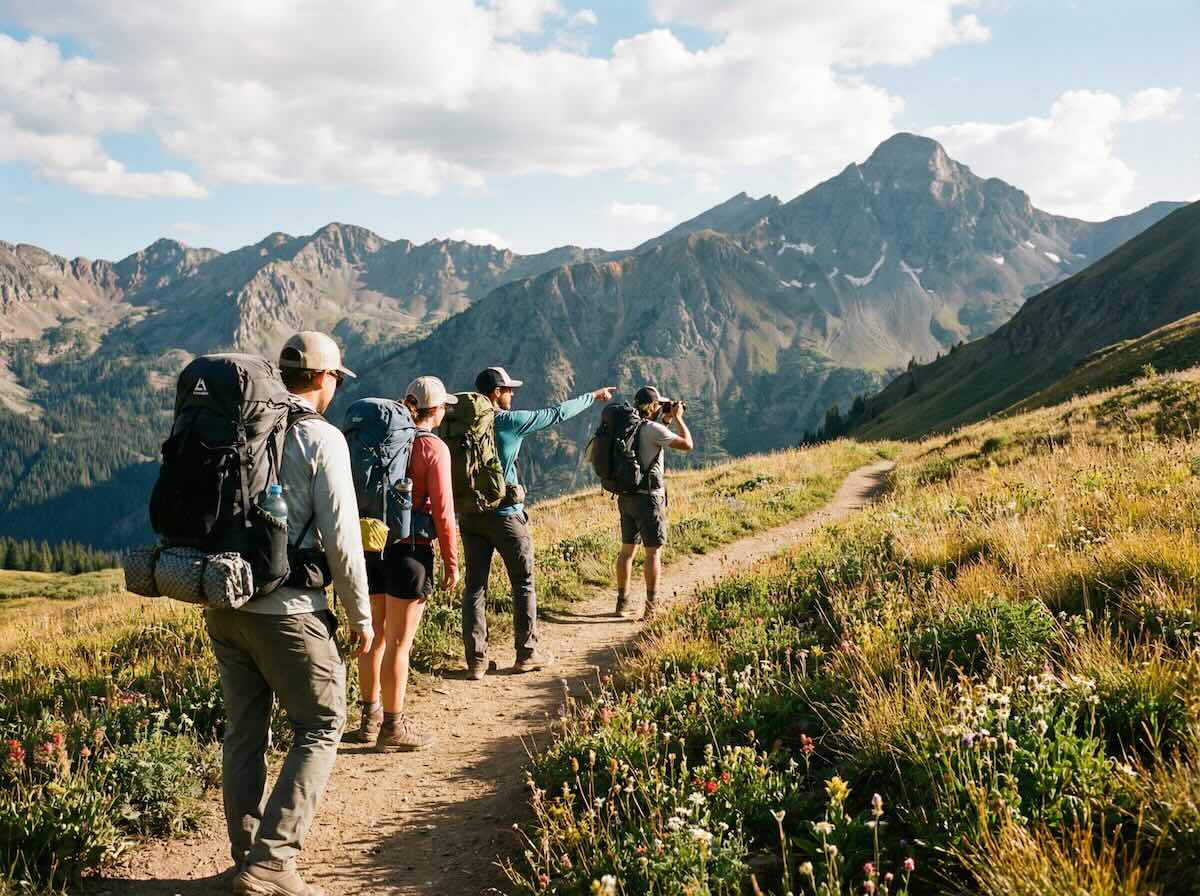 Hiking access from Denver, Boulder, Fort Collins, and Colorado Springs ranges from excellent to outstanding, with foothills trails reachable within 20-40 minutes offering everything from easy nature walks to challenging mountain ascents. Popular trails like Emerald Lake or Hanging Lake require reservation systems and fill weeks in advance during peak season. Lesser-known trails provide solitude but require research and willingness to explore.
Skiing and snowboarding dominate Colorado winters, with world-class resorts within 1-3 hours of Front Range cities. However, Epic and Ikon passes cost $800-$1,200 annually, day tickets reach $200+ at major resorts, gear expenses add hundreds to thousands, and weekend traffic turns 90-minute drives into 3-4 hour slogs. Many newcomers try skiing once or twice and discover it’s not for them despite moving to Colorado partially for winter sports.
Is Colorado still the top state for lifestyle?
Having the Rockies in your backyard is a huge draw, but how does the state compare overall for air quality and outdoor access? See the full data in our report on States Ranked by Quality of Life and Environment.
Rock climbing, mountain biking, trail running, backcountry skiing, and mountaineering all require skill development, proper equipment, and significant time investment. You can’t just show up and expect to enjoy technical activities safely. Joining clubs, taking lessons, and building skills gradually helps avoid injuries and expensive rescue situations.
River activities including rafting, kayaking, and fishing offer summer alternatives to mountain sports, with numerous outfitters providing guided trips for beginners. State parks throughout Colorado provide camping, boating, and general outdoor access at lower costs than national parks.
The key to enjoying Colorado outdoor recreation involves being honest about your actual interests and fitness level rather than pretending you’ll transform into an extreme athlete. Casual hiking, local parks, and occasional adventure trips satisfy most people more than forcing yourself into activities you don’t genuinely enjoy.
Ready to head to the Rockies?
Planning a move to Colorado is a big project, but it doesn’t have to be a stressful one. Whether you’re moving to the Front Range or the high country, we can help you get there on budget.
Give us a shout for a quick, no-pressure chat about your Colorado move.
FAQ
What salary do you need to live comfortably in Colorado?
A single person needs roughly $60,000-$70,000 annually to live comfortably along the Front Range, covering average monthly costs of $3,926 including rent while maintaining savings and emergency funds. Families of four typically need $85,000-$100,000+ household income depending on housing choices and lifestyle expectations.
How long does it take to adjust to Colorado altitude?
Initial symptoms like headaches and fatigue typically peak within 24-36 hours and improve within a week as your body produces more red blood cells. Full acclimatization takes 2-3 weeks, though athletic performance may remain slightly reduced. Some people never fully adjust to feeling as energetic as at sea level.
What is the best city in Colorado for newcomers?
Fort Collins consistently ranks highest for newcomers, balancing relative affordability ($545,000 median home price), bike-friendly infrastructure, Colorado State University energy, strong job market, and outdoor access without overwhelming costs or traffic. Colorado Springs offers more affordability while Denver provides big-city amenities.
Is Colorado expensive to live in?
Yes, Colorado costs 15-20% above the national average, driven primarily by housing expenses. Median home values around $529,754 and average rents of $1,963 statewide create significant housing burden, though smaller cities like Pueblo ($264,950 median) offer more affordable options with trade-offs in jobs and amenities.
What is Colorado’s job market like in 2026?
Colorado’s job market cooled significantly with projected growth of just 0.6% in 2026 (17,500 new jobs) and 4.1% unemployment. Strongest sectors include aerospace, healthcare, renewable energy, and outdoor recreation, while tech sector hiring slowed from pandemic-era peaks. Competition increased for available positions.
Do you need a car to live in Colorado?
This depends entirely on where you live. Denver’s RTD light rail and bus system serves urban neighborhoods adequately, and Boulder, Fort Collins, and downtown areas of most cities offer walkable or bikeable living. However, most Colorado residents need cars for mountain access, suburban living, and general flexibility given sprawling development patterns.
How bad are Colorado winters?
Front Range winters feature fluctuating temperatures from 15°F to 65°F within the same week, occasional heavy snows that melt quickly, and brilliant sunshine even on cold days. Mountain winters bring heavy sustained snow, temperatures below 0°F, and challenging driving. Overall, winters feel milder than Midwest or Northeast due to sunshine and rapid melting.
What should I know about moving to Colorado?
Altitude affects everyone initially, weather changes rapidly requiring flexible plans, winter driving skills become essential, housing costs exceed most states, job market competition increased from pandemic highs, outdoor recreation drives culture but requires gear and skill investment, and population growth creates native-transplant tensions worth navigating respectfully.
References
- Peak Home Search: Top Colorado Cities and Neighborhoods for Relocating in 2026
- Living Cost Index: Cost of Living in Colorado, United States in 2026
- Redfin: Best Places to Live in Colorado in 2025
- Consumer Affairs: Colorado Cost of Living
- Houzeo: 10 Best Places to Live in Colorado in 2025
- Visit Colorado Springs: 11+ Tips to Avoid Altitude Sickness
- Runway Health: What To Take for Altitude Sickness in Denver (Colorado)
- Boulder Medical Center: How to Prevent Altitude Sickness
- UCHealth: Know if You Have Altitude Sickness & When to Worry
- Colorado Public Radio: Colorado Forecast to Add More Jobs Next Year
- Axios Denver: Colorado’s Uncertain 2026 Economic Outlook
- Zillow: Colorado Housing Market – 2026 Home Prices & Trends
- Colorado Sun: Realtors Say It’s Still a Buyer’s Market in Colorado
- Norada Real Estate: Colorado Housing Market – Prices, Trends, Forecast 2026
- Boulder County: New Resident Vehicle Registrations
- Colorado DMV: Registration Requirements
- World Population Review: Colorado Property Tax Rates 2026