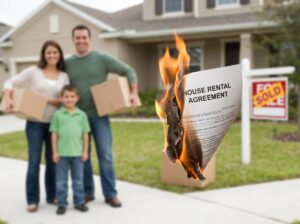


Those numbers surprise people, because the rent is the figure everyone plans for and the rest of it arrives all at once. The deposit, the application fee, the administrative fee nobody mentioned on the tour, the utility deposits, the truck and the fact that you own no furniture all land in the same fortnight. This guide breaks each of them down with real 2026 figures, then covers what the first month costs once you are in.
Key Points
- Budget three to four times your monthly rent just to sign the lease and get the keys. Furniture and the move itself sit on top of that.
- The national median one-bedroom rent is $1,550, and the median studio runs closer to $1,100 to $1,300 depending on the market.
- A roommate is not a small discount. Splitting a two-bedroom cuts the upfront number roughly in half and is often the difference between moving this year and waiting another one.
- Hiring movers for a one-bedroom costs $350 to $1,500. A rental truck runs $50 to $200 a day before fuel, and for a studio with little furniture the truck usually wins.
- Landlords want to see income of about three times the rent, or roughly 40 times the monthly rent annually. Below a 650 credit score, expect to be asked for a guarantor.
- Getting in the door and staying there are two different budgets. Add a three-month cushion on top of your move-in costs, which for a $1,550 apartment means roughly another $7,000.
How Much Does It Cost to Move Out for the First Time?
The table below builds the total two ways, using the national median rent. Your own figure moves with your market, so treat the structure as the useful part rather than the exact numbers.
| Cost | Solo 1-bedroom at $1,550/mo |
Sharing a 2-bedroom your half, at $950/mo |
|---|---|---|
| First month’s rent | $1,550 | $950 |
| Security deposit | $1,550 | $950 |
| Application and screening | $25 to $100 | $25 to $100 |
| Administrative or community fee | $100 to $500 | $50 to $250 |
| Utility deposits | $0 to $300 | $0 to $150 |
| Moving the stuff | $150 to $1,500 | $150 to $700 |
| Furniture and essentials | $1,000 to $3,000 | $500 to $1,500 |
| Realistic total | $4,500 to $8,500 | $2,500 to $4,500 |
Two things stand out once it is laid out like this. The first is that the deposit and first month’s rent alone account for about $3,100 of a solo move, which is why the standard advice is to have three to four times your monthly rent saved before you start applying. The second is that the roommate column is not a modest saving. It is roughly half, and it is the single largest lever available to you.
Move-In Costs: What You Pay Before You Get the Keys
These are the charges that arrive between signing and moving, and they are the ones first-time renters consistently under-budget.
- First month’s rent. Often prorated if you start mid-month, which helps your first bill and not your total.
- Security deposit. Usually one month’s rent. Some states cap it at one month while others permit two, so check your state’s limit before you assume. This money is refundable, which makes the documentation advice further down this page worth following.
- Last month’s rent. Less common, though some landlords ask for it. Where they do, your upfront number jumps by a full month and the three-to-four-times rule becomes four-to-five.
- Application and screening fees. Typically $25 to $100 per adult, covering the credit and background check. They are non-refundable whether or not you get the apartment, so applying to four places costs you real money.
- Utility deposits. Anywhere from nothing to $300 across electric, gas, water and trash. Providers often waive these for applicants with established credit, which first-time renters rarely have.
- Internet activation. Up to about $150 for the setup fee and a modem, though buying your own router pays for itself within a year.
- Renters insurance. Roughly $15 to $30 a month, and increasingly a condition of the lease rather than an optional extra.
The Fees Nobody Warns You About
Two line items catch almost everyone. The first is the administrative or community fee, which runs $100 to $500, is non-refundable, is most common in professionally managed buildings, and buys you nothing you can point at. It rarely appears on the listing and frequently appears on the lease.
The second is pets. A pet deposit of $200 to $500 plus pet rent of $25 to $75 a month is standard, and the monthly portion never stops. Over a twelve-month lease a cat can quietly cost you $800 beyond the deposit.
How Much Should You Save Before Moving Out?
There are two separate tests here, and passing the first one does not mean you have passed the second.
The Landlord’s Test
Most landlords want to see gross monthly income of about three times the rent, which the same rule expresses as annual income around 40 times the monthly rent. On a $1,550 apartment that means roughly $4,650 a month, or about $62,000 a year. In competitive markets the multiple climbs, and New York buildings commonly apply the 40-times rule strictly and then ask for a guarantor earning 80 times.
Credit matters too. Below roughly 650 you should expect fewer options or a request for a guarantor, which for most first-time renters means a parent. A guarantor is liable if you fail to pay, whereas a co-signer shares responsibility from the outset. Landlords use the two terms loosely, so ask which one your building actually means before anyone signs.
Your Test
The landlord’s test tells you whether you can rent the apartment. It says nothing about whether you can survive a bad month. For that, add a cushion of three months of total expenses on top of your move-in costs, which for a $1,550 one-bedroom running around $2,300 a month all-in comes to roughly $7,000.
That figure is uncomfortable and it is also the honest one. Moving out with your last dollar spent on the deposit is how a car repair becomes credit card debt in month two. If the cushion is out of reach right now, the fix is usually to reduce fixed costs rather than to delay indefinitely: take a roommate, look one neighborhood further out, and keep the moving bill low so more of your income can rebuild the buffer quickly.
How Much Do Movers Cost for a First Apartment?
This is the line most first-time renters guess at, and it has the widest range on the whole list because you have genuine choices here.
Hiring Movers
Professional movers for a local one-bedroom cost $350 to $1,500, with most jobs billed hourly and subject to a two-hour minimum. A studio sits at the bottom of that band, while a one-bedroom with a sofa, a bed and a third-floor walk-up sits near the top. What drives the number is time on the clock, so stairs, a long carry from the truck to the door, and boxes that are not finished when the crew arrives are what turn a $400 move into a $900 one.
Renting a Truck
A rental truck runs $50 to $200 a day, which looks decisive until you add what the rate excludes. Fuel, a dolly and furniture pads, the insurance, and a Saturday of your life all belong in the comparison, as does the risk of putting your own mattress down a stairwell. For a studio with a bed, a few boxes and a friend who owns a strong back, the arithmetic favours the truck comfortably.
Which One Makes Sense
The honest answer depends on how much you own and what building you are entering. If your entire life fits in a car and eight boxes, hire nothing. If you have a bed, a sofa and a walk-up with a turn in the stairs, the gap between the truck and a crew narrows sharply once you price in the day you lose and the deposit you risk against the doorframe.
A middle option exists and is under-used: labor-only help, where you rent the truck and drive it while a crew loads and unloads at each end. It removes the part of the job that causes injuries and leaves the part that only costs time.
If your first place is in another state, delivery windows and coverage choices matter more than the headline rate, and our long-distance moving guide explains how both work. If the kitchen is the room defeating you, our packing services page sets out what partial packing covers when you only want help with the fragile things.
What Does a First Apartment Cost Every Month?
Getting in is a one-time problem. Staying in is the recurring one, and the gap between the rent and the true monthly cost is where first-year budgets usually break.
| Monthly cost | Typical range | Notes |
|---|---|---|
| Rent (1-bed, national median) | $1,550 | Ranges from about $920 in Oklahoma to $2,600 and up in California. |
| Electric, gas, water, trash | $100 to $200 | Higher in summer and winter. Ask the landlord for the unit’s average. |
| Internet | $40 to $80 | Introductory rates expire, usually at month 13. |
| Renters insurance | $15 to $30 | Covers theft, some damage, and personal liability. |
| Parking or pet rent | $0 to $150 | Easy to forget at the tour and impossible to forget on the first of the month. |
| Groceries and household supplies | $300 to $450 | The line that most consistently exceeds the estimate in year one. |
| Realistic monthly total | $2,000 to $2,450 | Against a headline rent of $1,550. |
The conventional guidance is to keep rent under 30% of your gross income, and it is worth knowing that the rule barely survives contact with an expensive city. Where it cannot be met, the honest response is to name the trade-off rather than pretend the rule was met: a roommate, a longer commute, or a smaller place. Stretching to 40 or 50% of income on rent works on a spreadsheet and rarely works in life.
How to Furnish a First Apartment Without Going Into Debt
Furnishing runs $1,000 to $3,000 depending on how much you buy new, and the biggest saving available is patience rather than any particular shop. Furnishing across your first two months instead of your first weekend spreads the cost without leaving you sleeping on the floor, and it also means you buy the second sofa having learned how you actually use the room.
Start with the pieces that determine whether the place is livable, which is a shorter list than most people assume:
- Sleep and privacy first. A mattress, a protector, sheets, pillows and something over the windows. Do these on day one and everything afterward feels manageable.
- Kitchen. One medium pot, one nonstick pan, a baking sheet, a cutting board, a decent knife, a spatula and a wooden spoon, plus plates, bowls, cups and cutlery for two. Add the kettle or coffee maker if that is how your mornings work.
- Bath. Two bath towels, two hand towels, a shower curtain with a liner and hooks, and a bath mat.
- Cleaning and tools. Bin bags, a broom or a small vacuum, sponges, a multi-surface cleaner, a toilet brush, a screwdriver, a hammer, a tape measure, a surge protector and spare bulbs.
In a small space, favour pieces that do two jobs, such as a storage ottoman, a drop-leaf table or nesting side tables. Secondhand furniture from family, friends and local listings is where most first apartments actually come from, and there is no prize for a matching set. One useful caution before you buy anything large: the more furniture you own, the more the next move costs, and there will be a next move.
Moving Out for the First Time Checklist
Six to Eight Weeks Before
- Set a ceiling on rent using the 30% test, then shortlist neighborhoods that fit under it.
- Check your credit score, because you want to learn about a guarantor requirement now rather than at signing.
- If you are sharing, agree quiet hours, guests, cleaning and how bills get split before anyone applies, and write it down.
- Visit at least one shortlisted place on a weekday evening. Buildings behave differently at 7pm than they do at a Saturday tour.
Three to Five Weeks Before
- Apply, and read the lease properly. Confirm the rent, the due date, the grace period, late fees, the deposit return timeline, notice for landlord entry, the sublet policy and any early-termination clause.
- Open utility accounts with a service date that matches the day you get keys.
- Get three moving quotes if you are hiring, and send photos of the curb, the entry and the stairs so the estimate reflects the address.
- Book internet with an install date in your first two days.
Move Week
- Pack an arrival box: documents, medication, a basic toolkit, bedding, towels, phone charger and whatever makes your coffee.
- Label every box by room and mark the three you want opened first.
- File a change of address with USPS and update your bank, employer, insurer and any prescription deliveries.
- Finish packing the night before, since a crew waiting on your kitchen is a crew you are paying by the hour to watch you work.
The First 48 Hours
- Photograph and video every room before you unpack anything, including walls, floors, appliances and any existing damage. Timestamp it and store it somewhere you will still have access to in a year.
- Build the bed and hang the curtains before anything else.
- Find the breaker panel and the water shutoff, and test the smoke and carbon monoxide detectors.
- Set up autopay for rent, internet and insurance.
- Walk your block once after dark, because lighting and routes read differently than they do at noon.
What First-Time Renters Get Wrong
1. Not Documenting the Unit at Move-In
Your deposit is usually a full month’s rent, and the argument about it happens a year from now when nobody remembers whether that scuff was already there. Photograph everything before you unpack, with timestamps, and email the file to yourself so it is dated by something other than your own phone. Most states require landlords to return deposits within 14 to 60 days of move-out, so know your state’s window and keep proof of your notice date and your key return.
2. Reading the Deposit Terms After Signing
Find out what is refundable and what is not before the pen moves. Administrative fees, community fees and most pet fees are not coming back, whereas the deposit is, and confusing the two inflates what you think you have on account with the landlord by several hundred dollars.
3. Budgeting for Rent Rather Than for Housing
The rent is about 70% of what the apartment costs you. Utilities, internet, insurance, parking and pet rent make up the rest, and a $1,550 apartment is really a $2,000 to $2,450 commitment. Plan against the second number.
4. Buying the Whole Apartment in One Weekend
This is how first-year renters end up carrying a balance at 24% interest on a sofa they will not want in two years. Buy the bed, buy somewhere to sit, and let the rest arrive over your first two months.
5. Moving Out With No Cushion
The most common reason people move back home within six months is not that they could not afford the rent. It is that one unplanned expense arrived before the buffer existed. Three months of costs, saved before you sign, is what turns a bad month into an inconvenience.
Are You Ready to Move Out Yet?
Run three checks rather than one. Can you cover the upfront cost, meaning three to four times the rent plus furniture and the move? Can you meet the landlord’s income test of roughly three times the rent? And do you have three months of expenses left over once the deposit clears?
If the answer to all three is yes, you are ready. If the third one is no, you are close, and the gap usually closes faster than people expect once they take a roommate or widen the search by a mile or two. If the first two are no, moving out will make your finances harder rather than easier, and waiting two more months is not a defeat.
One last thing worth saying plainly. Nobody’s first apartment is furnished properly, and nobody’s first budget survives contact with the first month. Both of those are normal, and neither means you got it wrong.
Find Out What Your Move Will Actually Cost
Moving is the one line on this page you can get an exact number for today. Coastal Moving Services will quote your first move free, with no obligation.
Moving Out for the First Time: FAQs
How much does it cost to move out for the first time?
Between $4,500 and $8,500 for a solo one-bedroom at the national median rent of $1,550, or between $2,500 and $4,500 if you split a two-bedroom with a roommate. About $3,100 of the solo figure is the first month’s rent and the security deposit, which you pay before you receive a key.
How much should I save before moving out?
Three to four times your monthly rent covers the move-in costs, and you should add furniture, the move itself, and ideally three months of expenses as a cushion. For a $1,550 apartment that means roughly $5,000 to get in and about $7,000 more to be genuinely secure.
Is $5,000 enough to move out?
It is enough to get through the door in most markets, and it leaves nothing behind. For a shared apartment in a moderate-cost area with steady income it works. For a solo move it sits below the safety line, because any income delay or unexpected bill in your first months goes straight onto a credit card.
How much do movers cost for a one-bedroom apartment?
$350 to $1,500 for a local move, billed hourly with a two-hour minimum in most cases. A rental truck costs $50 to $200 a day before fuel and equipment. For a studio the truck usually wins, and for a one-bedroom with real furniture and a walk-up the margin narrows considerably.
What income do I need to rent an apartment?
Most landlords look for gross monthly income of about three times the rent, or annual income near 40 times the monthly rent. On a $1,550 apartment that is roughly $62,000 a year. Competitive markets apply higher multiples and frequently ask for a guarantor.
What’s the difference between a guarantor and a co-signer?
A guarantor becomes responsible only if you fail to pay, whereas a co-signer shares responsibility from the start and is usually named on the lease. Landlords use the terms inconsistently, so ask how your specific building defines the role before anyone signs anything.
Do I need renters insurance?
Most leases now require it, and at $15 to $30 a month it covers theft, certain kinds of damage and personal liability. Check whether your landlord wants proof before move-in, because several do and it will hold up your keys.
How do I avoid losing my security deposit?
Photograph and video the unit before you unpack, with timestamps, and keep the file somewhere permanent. Report maintenance issues in writing as they happen rather than at the end. Review the move-out cleaning expectations 30 days before you leave, and keep proof of your notice date and your return of keys. Most states require the deposit back within 14 to 60 days.
What are the hidden costs of a first apartment?
The administrative or community fee of $100 to $500 is the one that catches most people, since it is non-refundable and rarely appears on the listing. After that: utility deposits, internet activation, pet rent that runs $25 to $75 every month, parking, and the gap between what you think groceries cost and what they cost.
What’s the cheapest month to move out?
Anything outside May through September, midweek, and avoiding the last three days of the month when leases turn over. Rent itself is often cheaper in winter too, since landlords have fewer applicants.
Sources
- ApartmentAdvisor: National Rent Report (median one-bedroom rent, June 2026)
- Apartments.com: National Rent Trends Report (average rent by state and unit size)
- RentCafe: Average Rent in the U.S. and Rent Prices by State
- ApartmentList: How to Budget for Your First Apartment (cost of movers by home size)
- Capital One: How Much You Should Save Before You Move Out (three-times-rent income rule)
- FTC: Renting a Home, Your Rights and Responsibilities
- HUD: Tenant Rights, Laws and Protections
- USPS: Change of Address and Mail Forwarding
Rents, deposit limits and deposit-return timelines vary considerably by state and city. Confirm your local rules with the landlord or your state’s tenant resources before you budget against these figures.