
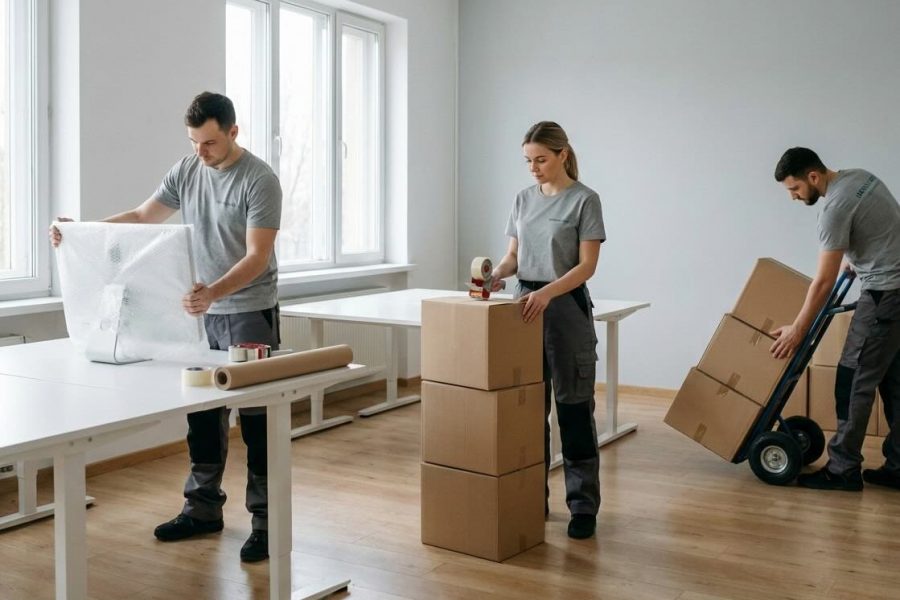
Office furniture hauling might seem straightforward at first glance, but moving desks, chairs, cabinets, and conference tables safely requires specific knowledge about weight distribution, proper lifting techniques, protective wrapping materials, and how to navigate tight hallways and stairwells without damaging your valuable furnishings or your building’s walls and doorframes. Whether you’re relocating a small team’s worth of furniture across town or managing a complete office overhaul with hundreds of pieces, understanding what professional furniture hauling involves helps you protect your investment, keep your team safe during the transition, and get everything positioned correctly in your new space without unnecessary damage, delays, or expensive repairs that could have been prevented with proper planning and expertise.
Key Points
- Furniture weight and logistics: Modern office furniture ranges from lightweight chairs at 20-30 pounds to heavy executive desks, filing cabinets, and conference tables weighing 200-500 pounds each, requiring proper equipment like dollies, furniture sliders, and protective blankets to prevent injury and damage throughout your entire relocation process from start to finish.
- Professional handling importance: About 65% of office furniture damage during moves stems from improper wrapping, incorrect lifting techniques, or attempting to move items without adequate equipment, but professional haulers trained in furniture-specific handling reduce damage rates to less than 5% through proven methods and specialized tools designed for each furniture type.
- Space and access challenges: Most office relocations encounter unexpected obstacles like narrow hallways, tight corners, crowded elevators, weight-restricted floors, or awkward doorways that require creative solutions and professional experience to navigate successfully without leaving scratches, gouges, or structural damage that impacts your security deposit or new tenant relations.
Types of Office Furniture and Hauling Requirements
Different categories of office furniture present unique challenges during relocation and require specific handling approaches that protect both the pieces and your building infrastructure throughout the moving process. Understanding what you’re moving helps determine whether professional haulers are essential or whether smaller items might work with careful internal handling and basic equipment from hardware stores or moving rental centers in your area.
| Furniture Type | Weight Range | Hauling Considerations |
|---|---|---|
| Office chairs | 20-35 pounds | Stack carefully using protective wrapping between pieces, secure wheels to prevent rolling, test caster strength before stacking too high to avoid floor damage during movement. |
| Standard desks | 80-150 pounds | Protect top surfaces with blankets or cardboard, disassemble when possible to reduce dimensions, use furniture sliders rather than dragging across floors, measure doorways before moving to ensure clearance fits. |
| Executive desks | 200-400 pounds | Requires professional equipment like furniture dollies, typically needs two-three person team for safe handling, protect finish with premium blankets, plan route through building carefully to avoid bottlenecks. |
| Filing cabinets | 50-200 pounds | Empty drawers before moving to reduce weight and improve balance, strap drawers closed securely to prevent accidental opening during transport, protect sides and corners with corner guards. |
| Conference tables | 150-600 pounds | Almost always requires professional movers due to size and weight, glass tops need special protective handling, legs may detach for easier transport, coordinate elevator use carefully to avoid bottlenecks. |
| Bookcases | 30-300 pounds depending on contents | Remove all books and contents before moving to reduce weight significantly, secure shelves if they’re removable, protect corners during navigation through tight spaces and doorways. |
| Cubicle panels | 20-40 pounds per panel | Store panels flat in organized stacks during transport, protect fabric surfaces from dirt and damage, label all panels to match original layout in new location for quick reassembly. |
| Reception desks | 200-500 pounds | Usually custom-built requiring professional disassembly and reassembly expertise, photograph before disassembly for reference during reassembly, protect all surfaces and finishes carefully. |
Source: Commercial furniture specifications and professional hauling guidelines. Weights vary based on construction quality and material types used by different manufacturers.
The Professional Furniture Hauling Process Explained
When you hire professional furniture haulers, they follow proven processes developed through thousands of relocations that protect your pieces while moving efficiently and keeping your timeline on track throughout the entire project. Understanding what happens at each stage helps you prepare your furniture properly, gives you realistic expectations about timing and requirements, and allows you to communicate effectively with the moving team about any special concerns or valuable pieces requiring extra attention and protective measures during the relocation.
The hauling process typically begins with comprehensive assessment where movers evaluate every piece you’re relocating, measure doorways and elevator dimensions in both buildings, identify potential obstacles or access challenges, and create detailed plans addressing how each large item will be moved safely. Next comes preparation where your team empties drawers and cabinets, you decide which items disassemble for easier transport, and furniture gets wrapped with protective materials preventing damage and dirt accumulation during the move itself. Loading happens systematically with heavier pieces going into the truck first, secured with straps to prevent shifting, while lighter items fill remaining spaces efficiently. During transportation, careful driving and secure fastening prevent items from sliding or tipping, and professional drivers avoid rough roads and sudden movements that might damage contents. Finally, unloading at your new location happens in carefully planned sequence with heavier pieces positioned first, all items protected until they reach their final destinations, and everything inspected immediately for any damage requiring documentation and potential insurance claims.
Protective Materials and Wrapping Standards
Professional furniture haulers invest substantially in protective materials because the cost of materials is negligible compared to the expense of replacing or repairing damaged furniture that represents significant corporate asset investment. Understanding what proper protection looks like helps you recognize whether a moving quote includes adequate safeguards or whether you need additional coverage for valuable or antique pieces that warrant premium protection throughout the relocation process and transport phases.
| Protection Material | Best For | Benefits and Considerations |
|---|---|---|
| Moving blankets | Standard desks, tables, and everyday furniture | Thick padded protection prevents scratches and dents, reusable across many moves, affordable option for basic protection needs without excessive expense. |
| Bubble wrap | Items with glass tops or delicate surfaces requiring extra cushioning | Excellent shock absorption protecting against impact damage, works well for protecting finishes during transport, though adds bulk and disposal considerations. |
| Foam padding | Executive furniture and expensive pieces warranting premium protection | Superior cushioning for high-value items, protects against most damage scenarios, more expensive option typically reserved for valuable pieces or delicate finishes. |
| Corner guards | All furniture pieces especially those with exposed corners and edges | Prevents corner damage during navigation and doorway passages, inexpensive relative to damage prevention value, standard on professional moves nationwide. |
| Shrink wrap | Assembled items that shouldn’t be disassembled and need secure transport | Holds pieces together preventing parts from separating, protects against dirt accumulation, secures drawers and components preventing accidental opening. |
| Cardboard boxes | Disassembled hardware, small components, and detached legs or shelves | Organizes small parts preventing loss, protects delicate finishes, allows labeling for quick reassembly in your new location with correct items together. |
Professional movers typically combine multiple protection materials strategically based on furniture value and fragility level to maximize safety while maintaining cost-effectiveness and efficiency throughout the relocation.
Professional Equipment That Makes the Difference
Professional furniture haulers invest in specialized equipment specifically designed for moving office furniture safely and efficiently, and this equipment makes an enormous difference in protecting your pieces, keeping your team members safe from injury, and getting everything relocated quickly without the frustration of amateur moving attempts using inadequate tools. Understanding what equipment professionals use helps you recognize whether a moving company takes their work seriously and has invested in proper tools or whether they’re cutting corners that might cost you significant damage expense down the road.
- Furniture dollies: Wheeled platforms designed specifically for moving heavy furniture, with weight capacities ranging from 500 to 1000+ pounds depending on construction type, allowing one person to move items that would otherwise require dangerous heavy lifting by multiple workers straining their backs.
- Furniture sliders: Plastic or felt-based pads that go under furniture legs, allowing pieces to glide across floors without damage to either the furniture legs or the building’s flooring surfaces, making horizontal movement far easier than dragging furniture directly across carpets or hard floors.
- Moving blankets and pads: Heavy-duty protective coverings that shield furniture from dirt, dust, scratches, and damage during transport, with professional-grade blankets lasting through hundreds of moves while still providing reliable protection for valuable pieces in your office.
- Shoulder dollies: Equipment that distributes weight across the user’s shoulders and back rather than stressing wrists and arms, allowing safer lifting and carrying of heavy items like filing cabinets, reducing injury risk significantly compared to traditional hand-carrying methods.
- Ramps and loading equipment: Folding ramps that connect building entrances to moving trucks, reducing the angle of incline during loading and unloading, preventing damage to doorframes, and making the process safer and more efficient than attempting to angle heavy items without proper equipment.
- Straps and tie-downs: Heavy-duty securing materials that hold furniture in place inside moving trucks, preventing shifting during transport that could cause damage to the pieces or allow items to slide and collide with each other during movement.
Furniture Hauling Methodology and Key Terms
Different furniture hauling approaches and service levels serve different business needs and budget constraints, ranging from basic transportation where movers simply move items from point A to point B, to premium services that include disassembly, reassembly, precise positioning in your new space, and even custom furniture configuration to match your new office layout exactly. When comparing quotes and service options, understanding these distinctions helps you select the right service level for your needs without paying for unnecessary add-ons or discovering too late that important services weren’t included in your agreement.
- Basic hauling: Moving furniture from your current location to your new office without protection, disassembly, or careful positioning in final locations, representing the most economical option but highest risk for damage during transport.
- Protected hauling: Full protection with blankets and wrapping, careful loading and unloading, and placement in general areas matching your floor plan layout, protecting your investment while remaining cost-effective for most business moves.
- Premium hauling: Includes disassembly and reassembly services, precise positioning matching your exact specifications, protection of finishes, and all-inclusive service where movers handle every aspect of the furniture movement process.
- Partial disassembly: Removing legs, shelves, or other detachable components to reduce furniture dimensions without completely disassembling pieces, balancing ease of movement with reassembly simplicity and time requirements.
- Reassembly services: Professional workers handle all assembly of disassembled furniture in your new location, ensuring proper configuration and stability while you focus on other relocation priorities and employee setup tasks.
What Affects Office Furniture Hauling Costs
Furniture hauling costs vary based on multiple factors beyond just the number of pieces being moved, and understanding these cost drivers helps you budget accurately, compare quotes fairly between moving companies, and identify where you might save money without compromising essential services that protect your valuable office equipment throughout the relocation process and into your new location.
Volume and Weight
Total number of pieces, combined weight, and whether disassembly is needed all impact cost. Heavier items and larger quantities require more labor time and equipment, directly increasing overall relocation expense.
Distance
Local moves cost less than cross-state relocations due to fuel, labor time, and truck availability considerations. Long-distance moves require full truck rental whereas local moves might combine multiple jobs efficiently.
Building Access
Elevator availability, stair requirements, and tight hallways increase labor time and complexity. Narrow doorways or upper-floor locations add substantial cost due to extra equipment and time investment required.
Disassembly and Reassembly
Professional disassembly and reassembly services add significant cost but protect furniture and reduce damage risk substantially. Custom assembly matching specific office layouts adds premium service charges.
Protection Level
Basic wrapping costs less than premium protection with foam padding and corner guards. High-value furniture warrants superior protection justifying additional expense that prevents costly damage.
Timing
Rush moves and weekend relocations cost more than standard scheduling. Planning relocation during slower seasons and allowing adequate time reduces pressure and associated premium charges.
DIY Furniture Moving vs. Professional Hauling Services
The decision between attempting to move office furniture internally versus hiring professional haulers should factor in furniture value, available equipment, team member safety, and whether your team has time to dedicate to the project. While DIY moving saves money upfront, the potential for damage, employee injury, timeline delays, and quality issues often makes professional services more cost-effective when you account for all factors and actual expenses that emerge.
| Factor | DIY Approach | Professional Services |
|---|---|---|
| Cost | Lower upfront but risk damage and injury expenses that quickly exceed professional quotes. | Higher cost upfront but eliminates damage risk and provides insurance protection against problems. |
| Time Investment | Extensive team time spent moving furniture rather than working on business priorities and client needs. | Quick and efficient, with furniture relocation handled by specialists while your team focuses on core work. |
| Safety | Significant injury risk when untrained workers attempt to move heavy furniture using inadequate equipment. | Trained professionals with proper equipment and insurance handling all safety-critical tasks reliably. |
| Damage Risk | High – furniture scratches, dents, and structural damage from improper handling and inadequate protection. | Minimal – professional protection, equipment, and experience reduce damage to less than 5% across all moves. |
| Timeline Control | Unpredictable and likely to extend longer than anticipated as unexpected challenges emerge. | Precise scheduling with realistic timeframes based on furniture volume, building access, and relocation distance. |
| Equipment Access | Rental equipment adds costs and still doesn’t match professional-grade tools designed for this work. | Specialized equipment optimized for furniture moving included in professional service packages. |
Regional Considerations for Furniture Hauling

Geographic location affects furniture hauling approaches and costs due to building styles, climate conditions, vendor availability, and regional practices that differ from national standards.
Northeast Region
Older buildings with narrow hallways and tight elevator access require extensive planning and potential disassembly. Humidity and weather protection needs increase protection material costs but remain essential for piece preservation.
South Region
High humidity demands climate-controlled transport and additional protection against moisture damage. Growing metropolitan areas offer competitive vendor pricing but require advance booking during peak relocation season.
Midwest Region
Wider hallways and modern building infrastructure eases furniture movement. Winter weather requires careful scheduling to avoid snow and ice that complicates logistics and safety. Flat terrain reduces loading difficulties.
West Region
High-rise buildings in major metros create significant weight and access challenges. Sustainability expectations mean eco-friendly protection materials and reusable equipment options cost more but align with regional values.
Furniture Hauling Planning Checklist
Preparing properly for furniture relocation ensures nothing gets overlooked, vendors have all information needed for accurate quotes, and moving day proceeds smoothly without last-minute scrambling and unexpected complications that delay your timeline.
3 Months Before Move
- Inventory all furniture with photos
- Identify pieces requiring disassembly
- Measure doorways at both locations
- Get preliminary quotes from movers
6 Weeks Before Move
- Book your preferred moving company
- Schedule pre-move walk-through
- Confirm elevator access and hours
- Plan your new office layout
Move Week
- Empty all drawers and cabinets
- Disassemble items as planned
- Label furniture with destination areas
- Confirm final move day details
Furniture Hauling Glossary
- Dolly: Wheeled platform used to transport heavy furniture items safely without requiring manual lifting that risks back injury.
- Furniture sliders: Protective pads placed under furniture legs to reduce friction and allow smooth movement across floors without damage.
- Shrink wrap: Plastic covering that holds furniture pieces together and protects surfaces from dirt and damage during transport.
- Corner guards: Protective pads placed on furniture corners to prevent damage when navigating through doorways, hallways, and elevator passages.
- Weight restriction: Maximum safe weight that floors in buildings can support without damage, critical consideration when moving heavy conference tables or filing cabinets upstairs.
How to Use This Furniture Hauling Guide
Start by inventorying your furniture and identifying pieces that might need disassembly for safe transport through your building’s access points. Measure all doorways, hallways, and elevator dimensions at both your current and new locations, then share this information with potential movers when requesting quotes. Compare service options based on what protection and service levels match your furniture value and relocation complexity. Schedule pre-move walkthroughs with your chosen hauler to confirm their equipment and expertise align with your specific needs. Finally, prepare your furniture properly by emptying drawers, disassembling planned pieces, and labeling everything clearly so moving day proceeds smoothly and your furniture arrives safely in its assigned location ready for immediate use and business continuity.
We also prepared comprehensive guides for States Ranked by Healthcare in 2025 that might interest you as you plan your complete office relocation strategy.
Frequently Asked Questions About Office Furniture Hauling
How much damage typically occurs during office furniture moves?
Professional haulers typically experience less than 5% damage rates through proper protection and handling techniques, while DIY moves often see 30-50% of items sustaining some damage from improper wrapping or inadequate equipment during transport and navigation.
Should I disassemble my furniture before the movers arrive?
Professional movers typically prefer handling disassembly themselves since they know which pieces can be taken apart safely and have tools and expertise for reassembly. Let them assess whether disassembly makes sense for your specific furniture and building access constraints.
What protection level do I need for standard office furniture?
Moving blankets and basic corner guards work fine for standard desks and tables, but executive furniture, glass tops, and valuable pieces warrant premium foam padding and comprehensive wrapping that justify the extra expense through damage prevention.
How far in advance should I book professional furniture movers?
Book at least 6 weeks ahead for local moves and 8-12 weeks for relocations requiring specialized equipment or occurring during peak relocation season when experienced movers fill their schedules quickly.