Key Points (2026)
- Overall market: Chicago’s median home price sits around $370,000 to $380,000 as of early 2026, up approximately 4-5% year-over-year, while citywide median rent reaches $2,064 with significant neighborhood variation from $1,185 in Chatham to $825K median listings in Lincoln Park.
- Safest neighborhoods: Mount Greenwood, Edison Park, Forest Glen, Lincoln Park, and Streeterville consistently report the lowest crime rates, with Mount Greenwood showing violent crime rates 64% lower than the Chicago average at just 1.5 incidents per 1,000 residents.
- Most walkable areas: Near North Side, West Loop, Ukrainian Village, Grant Park, and Lincoln Park earn Walk Scores of 94 to 96, qualifying as “walker’s paradise” neighborhoods where daily errands require no car.
- Best transit access: The Loop leads with 45/50 transit points, followed by Near North Side, West Loop/Fulton Market, and River North, offering multiple CTA lines plus proximity to Union Station and Ogilvie Transportation Center for Metra access.
- Affordability leaders: Chatham ($1,185 median rent), Chicago Lawn ($1,295), and Avalon Park ($1,300) offer the most budget-friendly options, saving renters $500 to $800 monthly compared to citywide median while maintaining strong Walk Scores of 8/10.
Best Overall Neighborhoods: Balancing Quality Across Multiple Factors
The neighborhoods that consistently top “best of” lists manage to balance several competing priorities simultaneously; safety, walkability, dining and entertainment options, transit access, and reasonable costs relative to what they offer. These areas attract diverse populations precisely because they don’t force you to sacrifice one essential element for another.
Lincoln Park leads this category with its combination of low crime rates, 94 Walk Score, abundant green space including the free Lincoln Park Zoo, DePaul University’s campus energy, and sophisticated dining scene. The neighborhood’s tree-lined streets feature historic brownstones and modern condos, creating architectural variety that appeals to different tastes and budgets. Median listing prices reach $825,000, reflecting high demand for this North Side location.
West Loop has transformed from industrial warehouse district into one of Chicago’s hottest neighborhoods, attracting tech companies, creative agencies, and acclaimed restaurants that draw diners citywide. The area’s 96 Walk Score and proximity to both Green and Pink Line stations plus Union and Ogilvie train stations make it exceptionally transit-friendly. Young professionals appreciate the modern high-rises and industrial aesthetic, though rising prices reflect the neighborhood’s popularity.
Lakeview offers Lincoln Park’s lakefront access and walkability at somewhat lower price points, with a more casual, eclectic vibe that attracts both young professionals and families. Wrigley Field anchors the neighborhood’s sports culture, while diverse dining options range from dive bars to upscale restaurants. The energy level stays high without becoming overwhelming, and the community feel remains strong despite the area’s size.
| Neighborhood | Walk Score | Key Strengths | Best For |
|---|---|---|---|
| Lincoln Park | 94 | Free zoo, DePaul University, historic architecture, sophisticated dining, lakefront access. | Families & professionals seeking refined urban living. |
| West Loop | 96 | Tech hub, acclaimed restaurants, industrial aesthetic, exceptional transit access. | Tech/creative professionals and food enthusiasts. |
| Lakeview | 92 | Wrigley Field, lakefront trail, energetic vibe, better value than Lincoln Park. | Young professionals and sports fans seeking energy. |
| Bucktown | 89 | Trendy shops, artistic vibe, Logan Square proximity, central location. | Creative professionals wanting artsy culture. |
| Old Town | 93 | Historic charm, tree-lined streets, Second City comedy, character-rich. | Residents valuing historic character and comedy. |
| Hyde Park | 87 | University of Chicago, Museum of Science & Industry, intellectual culture. | Academics and families seeking culture with value. |
Sources: Walk Score data; Chicago neighborhood analyses; real estate market reports 2026.
Safest Neighborhoods: Where Crime Rates Stay Consistently Low
Safety statistics matter most when they reflect sustained patterns rather than single-year anomalies, and certain Chicago neighborhoods maintain remarkably low crime rates year after year through combination of active community engagement, effective policing, and neighborhood design that promotes eyes-on-the-street.
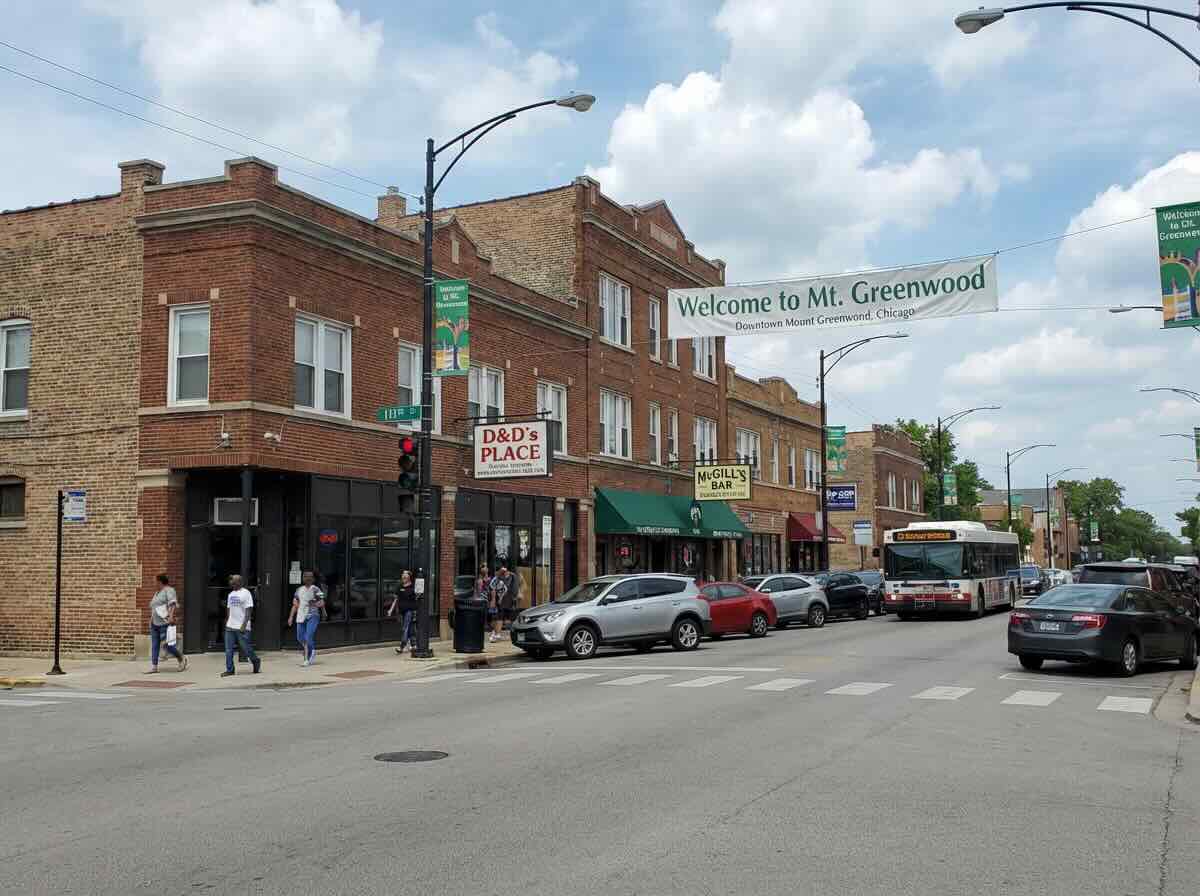
Mount Greenwood tops safety rankings with violent crime rates 64% below the Chicago average at just 1.5 incidents per 1,000 residents and property crime rates of 13.1 per 1,000 residents. The Southwest Side neighborhood’s strong community bonds show in frequent block parties, active school involvement, and neighbors who know each other by name. Large parks, quality schools, and affordable housing attract families who invest in long-term community stability.
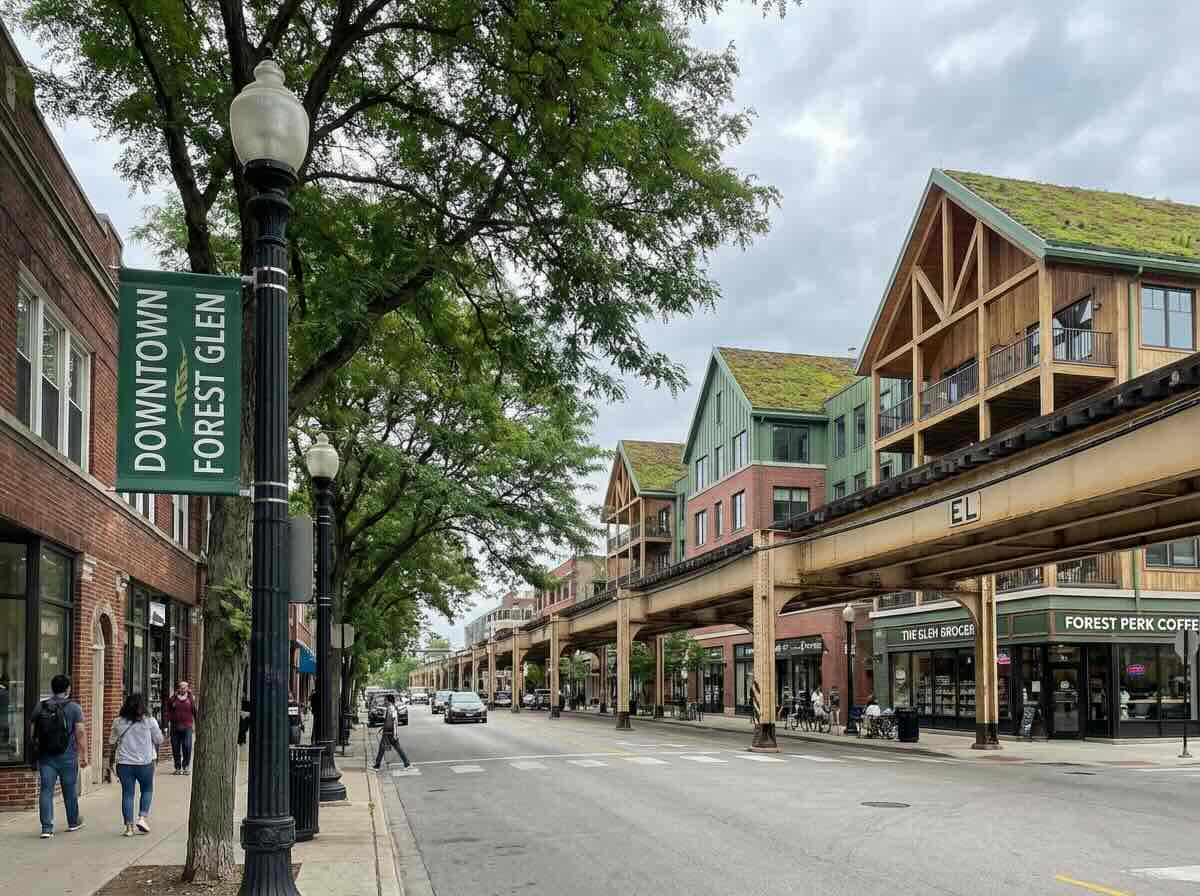
Forest Glen offers suburban tranquility within city limits, with violent crime rates of 3.4 per 1,000 people and property crime at 19.5 per 1,000 residents, 43% lower than Chicago’s average. The Northwest Side neighborhood features tree-lined streets, spacious yards, and Victorian and Tudor-style homes that give it distinct character. Residents report feeling comfortable walking at night and letting children play outside unsupervised.
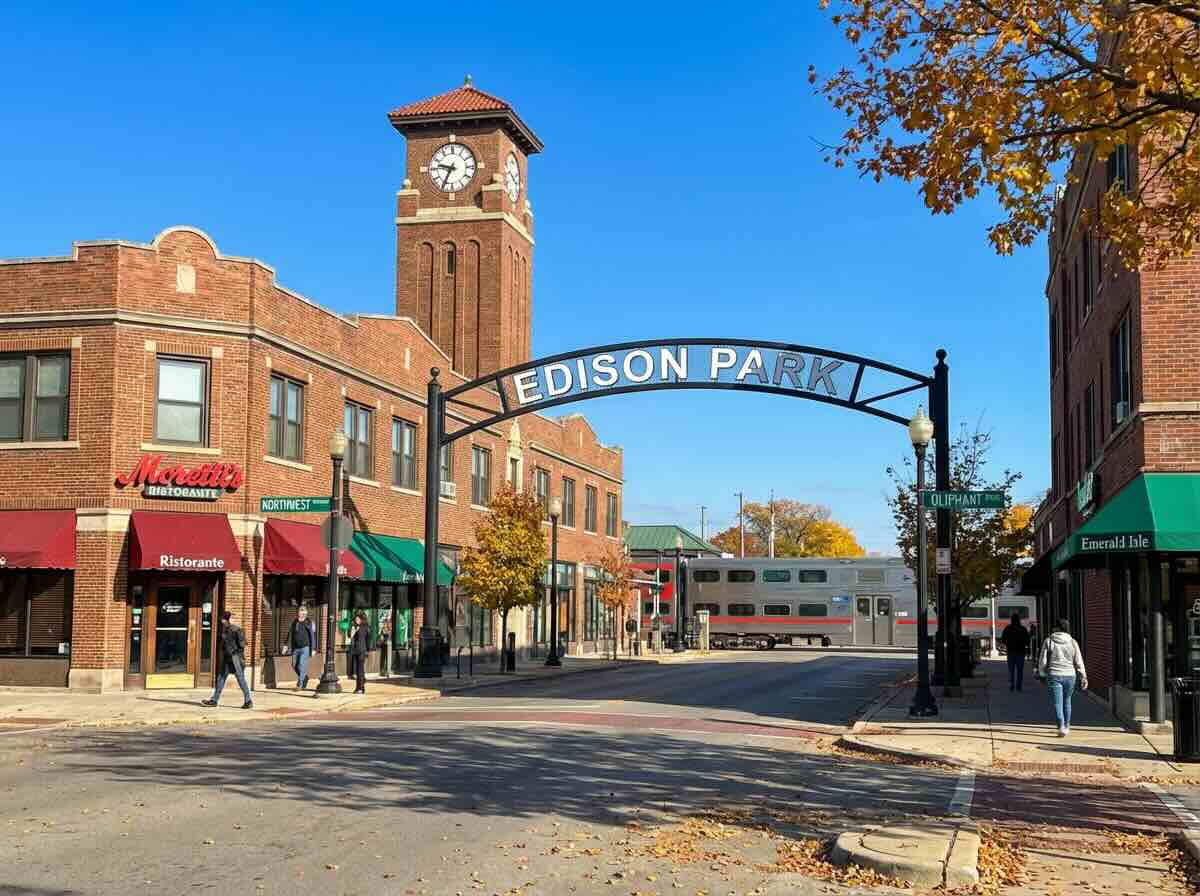
Edison Park combines small-town atmosphere with city access, maintaining consistently low crime through active neighborhood watch programs and frequent community events that build trust and familiarity. The area’s well-maintained streets, regular lighting upgrades, and responsive police presence create environments where crime finds little opportunity.
Lincoln Park’s low crime rates surprise some given its central location and nightlife, but the neighborhood’s affluence funds private security, its density creates constant foot traffic that deters criminal activity, and its strong neighborhood associations respond quickly to emerging concerns. Well-maintained parks, clean streets, and high-quality schools all contribute to environments where crime remains rare.
| Neighborhood | Violent Crime | Property Crime | Safety Factors |
|---|---|---|---|
| Mount Greenwood | 1.5 / 1k | 13.1 / 1k | 64% below city avg. Strong community bonds and family-oriented culture. |
| Forest Glen | 3.4 / 1k | 19.5 / 1k | 43% below city avg. Suburban atmosphere with well-lit streets and active neighbors. |
| Edison Park | Low | Low | Active neighborhood watch and frequent community events. |
| Lincoln Park | Low | Low | High foot traffic and private security patrols in many areas. |
| Streeterville | Low | Low | Secure lobbies and heavy police presence due to downtown proximity. |
Sources: Chicago Crime Statistics & Neighborhood Safety Analyses (February 2026).
Most Affordable Neighborhoods: Where Housing Costs Stay Manageable
Chicago’s affordability landscape varies dramatically, with renters in the most expensive neighborhoods paying nearly seven times what those in budget-friendly areas spend monthly. These price differences don’t always correlate directly with quality of life, as many affordable neighborhoods maintain strong walkability, transit access, and community character.
Chatham leads affordability rankings with median rent of $1,185, sitting 41% below the citywide median of $2,064. That translates to roughly $815 monthly savings compared to typical Chicago rents. The South Side neighborhood maintains an impressive 8/10 Walk Score and 8/10 Transit Score, meaning residents can accomplish most errands on foot and access public transportation easily despite the lower costs.
Chicago Lawn’s median rent of $1,295 places it 35% below citywide averages while preserving 8/10 walkability. The Southwest Side neighborhood’s commercial corridors include grocery stores, bakeries, taquerias, and locally owned shops that serve daily needs within walking distance. The area’s diverse population creates vibrant street life and authentic dining options.
Avalon Park rounds out the top three at $1,300 median rent, offering similar savings while maintaining good transit connections. These South Side neighborhoods share patterns of older housing stock, established communities, and residents who’ve lived there for decades, creating stability even as other Chicago areas experience rapid turnover.
| Neighborhood | Median Price/Rent | Financial Advantage | Mobility & Lifestyle |
|---|---|---|---|
| Chatham | $1,185 (Rent) | 41% Below Median | Walk: 8/10 | Transit: 8/10 |
| Chicago Lawn | $1,295 (Rent) | 35% Below Median | Walk: 8/10 | Transit: 6/10 |
| Avalon Park | $1,300 (Rent) | 37% Below Median | Strong transit connections to Loop. |
| Bridgeport | $606,000 (Home) | +24.2% Growth YoY | High demand; rapidly appreciating market. |
| South Shore | $136,000 (Home) | Peak Buyer Value | Lakefront access and historic housing stock. |
Sources: Zumper Rental Data 2026; Zillow & Redfin Market Reports.
Best Neighborhoods for Young Professionals: Career Access Meets Social Scene
Young professionals typically prioritize short commutes to major employment centers, walkable access to restaurants and entertainment, active social scenes, and neighborhoods where other transplants and career-focused residents create natural networking opportunities. Several Chicago neighborhoods combine these elements while offering varying price points and lifestyle vibes.
The Loop delivers ultimate convenience for professionals working in Chicago’s central business district, with 100/100 Walk and Transit Scores meaning car ownership becomes optional. High-rise condos and apartments place residents steps from tech companies, financial firms, law offices, and major corporate headquarters. Millennium Park, the Art Institute, and world-class restaurants provide cultural amenities, while the bustling atmosphere appeals to those who thrive on urban energy.
West Loop attracts tech workers, creative professionals, and food enthusiasts with its transformation into one of Chicago’s most dynamic neighborhoods. The area’s concentration of tech companies, creative agencies, and acclaimed restaurants creates natural networking opportunities, while the industrial-chic aesthetic and modern apartments appeal to young professionals seeking contemporary design. Proximity to Union and Ogilvie stations provides Metra access for those working in suburbs.
Relocating to the Windy City?
From high-rises in the Loop to historic brownstones in Lincoln Park, we know Chicago’s streets. Let us handle the tight corners and city parking permits for you.
River North combines downtown location with vibrant nightlife, making it popular among young professionals who want work-life proximity and active social scenes. The neighborhood’s galleries, restaurants, and bars create entertainment density, while its central position provides easy access to various parts of the city. Higher price points reflect the location’s desirability and convenience.
Wicker Park and Bucktown offer hip, creative alternatives to downtown neighborhoods, attracting young professionals in media, arts, and tech who prefer artsy flair over corporate polish. Indie boutiques, live music venues, coffee shops, and relaxed bars create social scenes distinct from downtown’s more formal atmosphere. Slightly lower prices than central neighborhoods provide more space for the money.
| Neighborhood | Career Access | Social Scene | Vibe |
|---|---|---|---|
| The Loop |
100/100 TRANSIT
Steps to Finance & Law hubs. |
High-end dining & cultural landmarks. | Fast-paced / Corporate |
| West Loop |
TECH HUB
Google, creative agencies, Ogilvie access. |
“Restaurant Row” & foodie paradise. | Industrial-chic / Modern |
| River North | Central downtown; walking commutes. | Galleries, clubs & high-energy nightlife. | Social / High-Energy |
| Lakeview | Easy CTA access to downtown. | Wrigley Field energy & sports bars. | Casual / Community |
| Wicker Park | Blue Line access; creative tech. | Live music, indie shops & coffee culture. | Hip / Artistic |
| Streeterville | Walking distance to Mag Mile offices. | Navy Pier & lakefront activities. | Polished / Waterfront |
Sources: Chicago Neighborhood Lifestyle Analyses; Transit Access Data 2026.
Best Neighborhoods for Families: Schools, Parks, and Community
Families evaluating Chicago neighborhoods typically weight school quality most heavily, followed by park access, safety records, and community culture that supports children’s activities and neighbor connections. Certain neighborhoods combine these elements consistently while offering varying suburban versus urban character.
Forest Glen earned its “Chicago’s Finest Community” nickname through combination of excellent schools, spacious single-family homes with yards, and suburban tranquility within city limits. The Northwest Side neighborhood features more than 500 homes in Victorian and Tudor styles along tree-lined streets where children play freely. Crime rates sit 43% below city averages, and residents report strong neighbor relationships built through school events and community gatherings.
Lincoln Square’s German heritage creates close-knit community atmosphere that families appreciate, with gathering spots like Giddings Plaza hosting the annual Apple Fest and Summer Concert Series. Families have easy access to multiple parks including River Park, Winnemac Park, and Welles Park, plus the year-round Lincoln Square Farmers Market. Schools maintain strong reputations, and the commercial corridor along Lincoln Avenue provides walkable shopping and dining.
Edgewater combines lakefront access with diverse housing options and strong schools, attracting families who want urban convenience without sacrificing space. The neighborhood’s parks, beaches, and community centers provide year-round activities for children, while the diverse population creates welcoming environment for various backgrounds and lifestyles.
Lincoln Park remains popular with families despite higher costs, thanks to its exceptional park system, free zoo, low crime, and proximity to highly-rated schools. Parents appreciate the ability to walk children to school, take them to the zoo without admission fees, and access lakefront trails for biking and outdoor activities. The sophisticated dining and cultural amenities appeal to parents who don’t want to sacrifice urban lifestyle for family-friendly environment.
Hyde Park’s intellectual atmosphere centered around University of Chicago draws academic families and those valuing cultural institutions like the Museum of Science and Industry. The neighborhood’s historic architecture, bookstores, and educated population create environment where learning extends beyond classroom walls.
Most Walkable Neighborhoods: Where Cars Become Optional
Chicago’s walkability varies dramatically by neighborhood, with some areas achieving “walker’s paradise” status where daily errands require no vehicle. In 2026, Chicago continues to rank among the top 10 most walkable cities in the U.S., with a citywide Walk Score of 77, bolstered by a grid layout and an 18-mile Lakefront Trail that connects parks, beaches, and museums.
Near North Side tops walkability rankings with a 98 Walk Score in early 2026. Home to River North, Streeterville, and the Gold Coast, it features more than 1,000 restaurants, coffee shops, and bars within walking distance. Residents benefit from the “Magnificent Mile” retail corridor and the ability to walk to work in the Loop or corporate skyscrapers nearby.
West Loop matches the top tier with a 96 Walk Score, driven by its transformation from an industrial district into a tech and culinary hub. The Fulton Market District and “Restaurant Row” on Randolph Street put world-class dining at residents’ doorsteps. High-rise developments and proximity to Google and McDonald’s headquarters make it a premier choice for car-free professional living.
Ukrainian Village maintains a 95 Walk Score through its traditional neighborhood layout. Commercial corridors along Milwaukee and Chicago Avenues provide easy access to independent shops, cafes, and vintage apartments. It is often cited as a “biker’s paradise” (scoring 95 in biking), offering a quieter residential feel without sacrificing pedestrian convenience.
Grant Park earns a 95 Walk Score, acting as “Chicago’s Front Yard.” With the 2026 Grant Park Framework Plan now underway, the area is seeing enhanced pedestrian connectivity and new “Park Rooms” near Michigan Avenue. Major landmarks like the Art Institute and Millennium Park are reachable on foot, while world-class transit options (Transit Score of 100) connect residents to the rest of the city.
Lincoln Park achieves a 94 Walk Score through its established urban infrastructure. The neighborhood balances luxury high-rises and historic brownstones with immediate access to Lincoln Park Zoo and the lakefront. With median home prices around $720,000 in 2026, it remains a highly competitive seller’s market for those prioritizing walkable luxury and top-ranked schools.
| Rank | Neighborhood | Walk Score | Walkability Factors |
|---|---|---|---|
|
1
|
Near North Side |
96
|
Dense mixed-use development with 1,000+ amenities within reach. |
|
2
|
West Loop |
96
|
High-rise living situated directly above world-class retail and dining. |
|
3
|
Ukrainian Village |
95
|
Traditional grid layout with robust commercial corridors. |
|
4
|
Grant Park |
95
|
Museums, lakefront access, and downtown transit all reachable on foot. |
|
5
|
Lincoln Park |
94
|
Established infrastructure where parks and lakefront meet residential life. |
|
6
|
Streeterville |
94
|
Magnificent Mile and medical district walkable for residents. |
|
8
|
The Loop |
93
|
Downtown core; work and world-class transit are steps away. |
Source: Walk Score Data & Redfin Walkability Analyses (February 2026).
Best Neighborhoods for Public Transit: CTA and Metra Access
Transit access transforms Chicago living by eliminating car ownership costs, reducing commute stress, and opening job opportunities across the entire metropolitan area. The best transit-connected neighborhoods offer multiple CTA lines, proximity to Metra stations, and express bus service that creates redundancy when one line experiences delays.
The Loop leads transit rankings with 45 out of 50 possible points, serving as the hub where all CTA lines converge. Residents access Red, Blue, Brown, Orange, Purple, Pink, and Green Lines plus express buses, while Union Station and Ogilvie Transportation Center provide Metra access to every suburban line. This redundancy means alternative routes always exist when one line faces problems.
Near North Side scores 44 out of 50 points through Red Line service running through the neighborhood’s heart, Brown and Purple Lines serving the western edge, and express buses along Michigan Avenue and Lake Shore Drive. The area’s position between downtown and North Side neighborhoods makes it natural transit hub for multiple directions.
West Loop/Fulton Market earns impressive 23 out of 25 transit points by positioning residents near Green and Pink Line stations at Morgan and Clinton, while remaining within walking distance of Union and Ogilvie stations. This combination provides both L train access and Metra connectivity to every suburban line, creating exceptional flexibility for commuters working anywhere in the metropolitan area.
River North benefits from proximity to Red and Brown Lines plus abundant bus service along major corridors, making it highly transit-accessible despite lacking station within some residential blocks. The neighborhood’s density and downtown location mean walking often proves faster than driving for short trips.
Old Town’s Brown and Purple Line stops provide direct Loop access, while its position just north of downtown means many locations remain walkable. The neighborhood’s historic charm combines with modern transit convenience, appealing to professionals who value character without sacrificing commute efficiency.
Lincoln Park vs. Lakeview: Understanding the North Side’s Top Two
Lincoln Park and Lakeview consistently top Chicago neighborhood rankings, and their proximity leads many people to consider them interchangeable. Understanding their distinct personalities helps you choose which better matches your priorities and lifestyle preferences.
Lincoln Park offers polished sophistication with tree-lined streets featuring historic brownstones, DePaul University’s campus energy, and upscale dining that draws visitors from across the city. The neighborhood feels established and refined, with residents who’ve invested in property and community for decades. The free Lincoln Park Zoo, Chicago History Museum, and expansive park system create family-friendly atmosphere, while the lakefront location provides recreational access. Median listing prices reaching $825,000 reflect high demand and limited inventory.
Lakeview brings more casual, eclectic energy with Wrigley Field anchoring sports culture that permeates bars, restaurants, and street life on game days. The neighborhood attracts younger residents and offers more affordable housing options than Lincoln Park, with greater variety in apartment styles and building types. Dive bars and indie theaters mix with upscale restaurants, creating diverse entertainment options that appeal to different moods and budgets. The lakefront access rivals Lincoln Park’s, and the Lakefront Trail provides identical recreational opportunities.
Both neighborhoods achieve high walkability scores around 94, maintain low crime rates relative to Chicago averages, and provide excellent CTA access through multiple lines. The choice often comes down to whether you prefer Lincoln Park’s refined atmosphere and established community or Lakeview’s energetic diversity and better value for square footage.
| Factor | Lincoln Park | Lakeview |
|---|---|---|
| Vibe | Polished, sophisticated, and upscale. | Casual, eclectic, and high-energy. |
| Housing | Historic brownstones; $825K median. Higher cost per sq. ft. | Mixed condos & apartments; better square-footage value. |
| Attractions | Zoo, History Museum, DePaul, expansive park systems. | Wrigley Field, Belmont Harbor, diverse indie theaters. |
| Dining | Refined cafes and upscale “destination” restaurants. | Mix of dive bars, sports pubs, and varied price points. |
| Primary Crowd | Established professionals and families. | Young professionals, sports fans, and transplants. |
| Best For | Refined urban living. | Energy and value seekers. |
Sources: Chicago Neighborhood Comparison Analyses & Market Data 2026.
Regional Patterns: How Chicago’s Geography Shapes Neighborhoods
Chicago’s neighborhood character follows geographic patterns shaped by the city’s development history, transportation infrastructure, and Lake Michigan’s eastern boundary. Understanding these regional tendencies helps you quickly narrow your search to areas matching your priorities.
North Side Lakefront
Lincoln Park, Lakeview, Uptown, Edgewater, and Rogers Park line the lake north of downtown, offering beach access, Lakefront Trail connectivity, and generally higher walkability. These neighborhoods attract young professionals and families who prioritize outdoor recreation and established community character. Prices decrease as you move farther north, with Rogers Park offering significantly more affordable options than Lincoln Park while maintaining good transit access. The Red Line provides north-south connectivity through all these neighborhoods.
Northwest Side
Wicker Park, Bucktown, Logan Square, Avondale, and Albany Park create a corridor of increasingly affordable neighborhoods served by the Blue Line. These areas attracted artists and young professionals seeking space and character in the 1990s and 2000s, and many have gentrified significantly while retaining creative energy. Logan Square represents the frontier of this gentrification wave, offering better value than Wicker Park while maintaining the artsy atmosphere. Farther northwest, neighborhoods like Edison Park and Forest Glen provide suburban feel within city limits.
West Side & West Loop
The West Loop/Fulton Market area leads Chicago’s most dramatic neighborhood transformation, shifting from industrial warehouses to tech hub and restaurant destination. Prices reflect this popularity, with new luxury high-rises commanding premium rents. Moving west, neighborhoods like Ukrainian Village, Humboldt Park, and Garfield Park offer more affordable options with varying levels of gentrification and development. Transit access varies significantly, with some areas well-served by Green and Pink Lines while others rely primarily on buses.
South Side
Hyde Park anchors the South Side’s most established neighborhood, centered around University of Chicago and offering intellectual atmosphere with museums, bookstores, and historic architecture. Bronzeville experiences renaissance with new development and restoration of historic buildings. Bridgeport shows strong appreciation with 24.2% year-over-year growth, attracting buyers seeking value near downtown. Farther south, neighborhoods like Beverly and Mount Greenwood provide family-oriented communities with strong schools and safety records. Many South Side neighborhoods offer significantly lower prices than North Side equivalents while maintaining good transit access via Red and Green Lines.
2026 Housing Market Trends: What Prices Tell You About Neighborhoods
Chicago’s housing market enters 2026 with steady price growth around 4-5% year-over-year and median home prices settling near $370,000 to $380,000 citywide. However, neighborhood-level variation proves dramatic, with some areas appreciating rapidly while others stay flat or decline slightly.
Lower West Side leads price growth at 9.8% year-over-year with median prices reaching $566,625, driven by detached homes featuring unique architecture and proximity to downtown. Bridgeport shows remarkable 24.2% appreciation with median prices at $606,000, reflecting strong buyer demand for South Side neighborhoods offering value relative to North Side alternatives.
Near West Side grew 3.5% to $418,000 median, showing steady demand for attached homes in convenient locations. Near North Side increased 6.9% to $449,000, sustained by lakeshore access and cultural attractions. The Loop saw modest decline of 1.9% to $392,000 for attached homes, creating more balanced market after years of strong appreciation.
These trends reveal patterns where neighborhoods with unique character, convenient transit access, and distinct architecture appreciate faster than generic areas or those lacking clear identity. First-time buyers increasingly look to South Side and Northwest Side neighborhoods offering more space for money, while established North Side locations command premiums for proven stability and amenities.
Mortgage rates averaging 6.0-6.3% for 30-year fixed loans provide modest affordability relief compared to 2025 highs, though inventory remains roughly 12% below historical averages. This limited supply maintains competitive market conditions rather than price corrections, meaning well-priced homes still attract multiple offers.
Planning Your Chicago Neighborhood Search
Define Your Priorities (30 minutes)
- Identify your top three non-negotiables: safety, schools, transit access, walkability, nightlife, outdoor space, or affordability
- Set realistic budget including monthly housing costs, transportation savings from transit access, and parking expenses if keeping a car
- Consider commute time to work and how much daily travel time you’re willing to accept
- Think about lifestyle preferences: do you want quiet residential streets or energetic commercial corridors outside your door
Research Phase (2-3 hours)
- Review crime statistics for candidate neighborhoods through Chicago Police Department data portals
- Check Walk Scores and Transit Scores for specific addresses, not just neighborhood averages
- Research school ratings if you have or plan children, using Niche or GreatSchools data
- Read neighborhood Reddit threads and local Facebook groups to understand resident perspectives
- Map grocery stores, pharmacies, and essential services relative to potential apartments
Visit Neighborhoods (4-6 hours)
- Visit candidate neighborhoods at different times: weekday morning commute, weekday evening, and weekend afternoon
- Walk from potential apartments to nearest CTA stations, timing the actual commute
- Stop in local coffee shops and restaurants to gauge atmosphere and strike up conversations with residents
- Check street parking availability if you own a car, noting permit requirements and overnight restrictions
- Visit parks and observe maintenance, activity levels, and who uses them
- Walk residential streets after dark to assess lighting and comfort levels
Making Smart Trade-Offs Between Competing Priorities
No Chicago neighborhood excels at everything simultaneously, so understanding which compromises you can accept versus which represent deal-breakers helps focus your search productively. The most common trade-offs involve balancing affordability against other desirable features.
Neighborhoods offering exceptional walkability, transit access, and entertainment density typically command premium prices. Lincoln Park, West Loop, and River North exemplify this pattern where convenience and amenities come at significant cost. If budget constrains you, consider whether you’d accept slightly lower walkability scores in neighborhoods like Logan Square or Hyde Park that still offer good transit while providing more space for money.
Safety and school quality sometimes correlate with higher prices but not always. Mount Greenwood, Forest Glen, and Edison Park deliver excellent safety records and good schools at prices well below North Side lakefront neighborhoods. The trade-off involves accepting more suburban feel, longer commutes downtown, and fewer entertainment options within walking distance.
Young professionals often face choices between social scene density and housing affordability. Living in Wicker Park or Lakeview places you in the middle of nightlife and networking opportunities but costs more than Logan Square or Bridgeport, which require short train rides to reach prime entertainment districts. Consider whether you’d rather walk to bars and restaurants or travel 15-20 minutes while banking the rent savings.
Families balancing school quality against housing costs might consider moving to Chicago suburbs with top-rated school districts like Naperville, Elmhurst, or Park Ridge, where Metra access maintains city employment connections while providing more space and stronger schools than city neighborhoods at comparable prices. The trade-off involves losing walkability and urban culture for family-focused suburban amenities.
FAQ
What is the safest neighborhood in Chicago?
Mount Greenwood consistently reports the lowest crime rates in Chicago with violent crime at 1.5 per 1,000 residents and property crime at 13.1 per 1,000 residents, sitting 64% below citywide averages. Forest Glen, Edison Park, and Lincoln Park also maintain excellent safety records.
Which Chicago neighborhood has the best public transit access?
The Loop leads transit access with 45 out of 50 possible points, serving as the hub where all CTA lines converge while providing immediate access to Union Station and Ogilvie Transportation Center for Metra service. Near North Side and West Loop follow closely with scores of 44 and 44 respectively.
What are the most affordable neighborhoods in Chicago?
Chatham offers the lowest median rent at $1,185 (41% below citywide median), followed by Chicago Lawn at $1,295 and Avalon Park at $1,300. For homebuyers, South Shore has the lowest median listing price at $136,000.
Which neighborhoods are best for young professionals?
The Loop, West Loop, River North, and Lakeview attract the most young professionals, offering short commutes to major employers, active social scenes, high walkability, and networking opportunities. Wicker Park and Bucktown provide artsy alternatives with slightly lower costs.
Where should families with children live in Chicago?
Forest Glen, Lincoln Square, Edgewater, Lincoln Park, and Hyde Park rank highest for families, combining strong schools, low crime, abundant parks, and community-oriented culture. Forest Glen and Lincoln Square offer more suburban feel while maintaining city access.
What is the most walkable neighborhood in Chicago?
Near North Side and West Loop tie with 96 Walk Scores, meaning daily errands require no car and residents can accomplish most tasks on foot. Ukrainian Village follows at 95, with Grant Park and Lincoln Park at 95 and 94 respectively.
How much does it cost to live in Lincoln Park vs. Lakeview?
Lincoln Park’s median listing price reaches $825,000, making it Chicago’s most expensive neighborhood, while Lakeview offers more affordable options with greater apartment variety and better value per square foot. Both neighborhoods provide similar walkability, lakefront access, and low crime.
Which Chicago neighborhoods are up-and-coming in 2026?
Bridgeport leads appreciation at 24.2% year-over-year with median prices at $606,000, attracting buyers seeking South Side value. Logan Square continues gentrifying with artsy character, while Fulton Market’s tech hub expansion drives growth. Lower West Side shows 9.8% appreciation driven by unique architecture.
References
- Inside Info Fremont: Top 6 Rising Chicago Neighborhoods to Live In 2026
- Paul and Steve: What Are the Safest Neighborhoods in Chicago?
- Reolink: Safest Neighborhoods in Chicago – Complete Guide 2026
- Zumper: Cheapest Neighborhoods in Chicago 2026
- Chicago Luxury Realty: Best Chicago Neighborhoods To Buy A Home In 2026
- Zillow: Chicago, IL Housing Market – 2025 Home Prices & Trends
- Option Premier: January 2026 Chicago City Neighborhoods Housing Market Updates
- Redfin: Chicago, IL Housing Market Data
- Realtor.com: Chicago, IL 2025 Housing Market Overview
- MG Group Chicago: Best Neighborhoods in Chicago for Commuters
- Downtown Apartment Collective: Lakeview vs. Lincoln Park Neighborhood Comparison
- Redfin: Best Walkable Neighborhoods in Chicago, IL
- MG Group Chicago: Top 5 Most Walkable Neighborhoods in Chicago
- Ben Lalez: Chicago’s Top 5 Neighborhoods For Public Transit Access
- Ellington Elite Realty: Best Neighborhoods In Chicago for Young Professional Adults
- Niche: 2026 Best School Districts in the Chicago Area
- Luxury Chicago Apartments: The Best Chicago Neighborhoods for Young Professionals