

Using a first time move out checklist can help manage the chaos of moving. It feels overwhelming because you’re forced to make hundreds of decisions at once while still keeping up with your everyday responsibilities. The anxiety you feel isn’t weakness or overreaction; it’s your brain processing legitimate complexity around logistics, finances, emotional attachment to your current home, and uncertainty about what you’re moving toward. Moving anxiety is normal and manageable rather than something to shame yourself about helps you approach the process strategically rather than being paralyzed by it.
This complete playbook walks through every stage from initial planning through your first month in your new home, breaking enormous tasks into manageable steps so you move forward with confidence rather than panic.
Key Points for First-Time Movers (2026)
- Starting your move planning 8 weeks in advance with a structured week-by-week timeline reduces stress and prevents costly last-minute decisions that first-time movers commonly make
- Average moving costs run $1,400-$2,500 for local moves and $4,500 for long-distance, with decluttering before moving reducing costs 15-25% while improving unpacking efficiency
- First-time movers’ most expensive mistakes include not decluttering, not getting binding estimates, not labeling boxes clearly, and underestimating supplies needed, all easily avoidable with proper planning
Acknowledging Moving Anxiety: What You’re Feeling Is Real And Manageable
Moving anxiety shows up as racing thoughts, difficulty concentrating, mood swings between excitement and dread, sleep disruption, and feeling overwhelmed by details that normally feel manageable. This happens because moving requires simultaneous juggling of logistics, emotions, financial decisions, and identity questions about what home means. First-time movers especially struggle because they lack reference points for what to expect and how long tasks actually take. Acknowledging that what you’re feeling is normal rather than personal failure helps you approach the process with self-compassion instead of criticism.
Moving anxiety usually peaks around two weeks before moving day, then gradually decreases as you settle into your new space over 4-6 weeks. This timeline helps you expect the intensity and know it’s temporary. Physical symptoms like tension, fatigue, or difficulty sleeping often accompany the emotional stress, making self-care particularly important during this period. Taking breaks, maintaining sleep routines, and staying connected to friends and family prevents stress from compounding beyond what you can manage.
Initial Decision: DIY Versus Hybrid Versus Full-Service Moving
Your first major decision shapes everything that follows: who handles the physical moving work. Each option involves different tradeoffs between cost, stress, physical effort, and timeline flexibility.
DIY Moving: Cheapest But Most Labor
Renting a truck and handling everything yourself costs $800-$1,500 for local moves but requires significant physical effort, driving, and time commitment. DIY moves work best for people under 40 without physical limitations, moves under 100 miles, and households with friends willing to help. You maintain complete control over packing and timing but absorb all responsibility if damage occurs.
Hybrid (Labor-Only) Moving: Best Value For Most People
Hiring movers to handle heavy lifting while you manage packing and transportation costs $540-$1,200 plus truck rental ($200-$500), creating total costs of $800-$1,700. This splits the difference between DIY and full-service, letting you control costs while avoiding physical strain of loading and unloading. It works particularly well for first-time movers who want professional help without full-service pricing.
Full-Service Moving: Maximum Convenience, Premium Price
Professional movers handle everything with packing, loading, transport and unloading, costing $1,400-$2,500 for local moves and $4,500+ for long-distance. Full-service moving eliminates stress if you prioritize convenience over cost, have physical limitations, or have high-value items requiring expert packing. It also provides insurance protection and accountability if damage occurs.
For first-time movers, hybrid moving often delivers the best value: you get professional help with the hardest part (heavy lifting) while maintaining cost control. Whichever approach makes sense for your situation, booking movers by week 7 of your planning timeline helps you secure your preferred date since they fill up quickly.
Your 8-Week Moving Timeline: Week-by-Week Breakdown
Starting 8 weeks before moving day and working backward prevents last-minute crisis while building momentum. Following this timeline helps you feel less paralyzed by everything that needs doing, and gives you natural checkpoints for progress.
Week 1-2 (8 Weeks Out): Define Your Move And Get Estimates
This week helps you clarify why you’re moving and confirm your moving date and whether your move is local, regional, or long-distance shapes everything that follows. If you’re considering hiring professionals, researching movers and gathering 3-5 quotes to compare makes sense at this stage. Written estimates from professional companies with USDOT numbers matter if your move crosses state lines, and asking whether estimates are binding (locked price) versus non-binding (can change) helps you understand what you’re getting into. Setting up a digital folder organizing all moving information can prevent important details from falling through the cracks.
Week 3-4 (6 Weeks Out): Book Movers And Begin Decluttering
If you’ve decided on movers, confirming and booking your moving company or truck rental locks in your date and prevents scrambling later. Scheduling utilities disconnection at your current home and connection at your new location helps ensure you don’t lose essential services. The foundational step many people underestimate is aggressive decluttering, starting with areas you use least frequently. This step reduces moving volume by 15-25%, cutting costs while simplifying unpacking dramatically. Selling items with resale value, donating still-usable things, or discarding what’s broken helps you move with intention rather than just moving everything. If a storage unit would cost nearly as much as moving certain items, that usually signals those items probably don’t belong in your new space anyway.
Week 5 (5 Weeks Out): Notify Important Parties And Gather Supplies
Letting your landlord (if renting), employer, banks, insurance companies, and subscription services know about your upcoming move gives them time to process the change. Filing change of address with USPS if you’re relocating within the country ensures mail reaches you correctly. Learning about your destination about utilities, internet providers, DMV requirements which helps you anticipate what you’ll need to handle after arriving.
Gathering free moving boxes from local businesses, friends, or online community groups instead of buying new boxes saves hundreds of dollars. Estimating room by room how many boxes you’ll actually need prevents the common mistake of underestimating dramatically and running out of supplies.
Week 6 (4 Weeks Out): Pack Non-Essential Rooms And Measure Furniture
Starting to pack rooms you use least frequently (guest rooms, storage areas, seasonal items) helps you build momentum without disrupting daily life. Measuring large furniture and doorways/stairwells in your new home reveals whether everything actually fits and surprises like “the sectional doesn’t fit through the bedroom door” are far better caught now than on moving day.
Creating a floor plan sketch of your new space gives you visualization of what works where. Finalizing your packing supplies list and sourcing anything you couldn’t find free makes sure you have what you need without last-minute scrambling. Labeling boxes as you pack them rather than pre-labeling makes far more sense since you won’t remember what you put in them once everything is sealed.
Week 7 (3 Weeks Out): Pack Most Rooms Except Daily-Use Spaces
Moving most of your belongings; about 70-80%, focuses on decorative items, out-of-season clothing, books, and anything not needed daily. Creating an “essentials box” with items you’ll need first night in your new home with, toiletries, phone chargers, medications, comfortable clothes, important documents, pet supplies to prevents the panic of not finding essentials when you’re exhausted.
Updating your address with healthcare providers, scheduling mail forwarding, and transferring prescriptions if you’re relocating out of state handles important logistics before the chaos of moving day. Confirming with your moving company one more time ensures everyone has the same type of information about dates and times.
Week 8 (2 Weeks Out): Pack Remaining Items And Prepare For Moving Day
Packing remaining items except for daily-use essentials and moving day necessities lets you wrap up without feeling frantic. Cleaning your current home progressively rather than leaving it all for one exhausting day makes the process feel more manageable. Putting together a “moving day survival kit” with snacks, water, first aid supplies, phone chargers, and medications prevents the dehydration and low blood sugar that makes everything feel worse. Confirming with movers 24-48 hours before moving day ensures last-minute surprises don’t derail your plans.
Arranging childcare or pet care for moving day lets you focus on logistics rather than managing other people’s needs. Setting up your bed first at your new place before unpacking anything else helps ensure you get quality sleep, which dramatically improves your ability to manage the unpacking days ahead.
Your own timeline
Create Your Custom 8-Week Timeline
Don’t rely on a generic list. Use our interactive checklist to generate a personalized moving schedule. Add tasks to your digital calendar or print a physical copy to keep your move on track.
Budgeting 101: What Actually Costs Money In Your Move
Primary Moving Costs
- Moving services: $800-$15,000+ depending on distance and whether you hire professionals
- Packing supplies: $100-$400 if buying new; free if sourcing from businesses
- Moving insurance/valuation: $100-$300 optional but recommended for valuable items
- Storage (if needed): $50-$200+ monthly depending on size and location
Move-Related But Often Overlooked Costs
- Utility deposits/setup: $100-$300 combined for electricity, gas, water, internet
- Address change fees: $50-$150 for driver’s license, vehicle registration, professional license updates
- Cleaning services (old home): $200-$500 if not doing it yourself
- Furniture replacement/repairs: Budget 5-10% of moving cost for damage coverage
Money-Saving Strategies When Moving
Knowing where your money goes helps you make intentional choices. Decluttering aggressively reduces moving volume 15-25% compared to moving everything, sourcing free boxes from local businesses eliminates that expense entirely, and moving during off-peak season saves 20-30%.
Booking mid-week and mid-month creates additional 10-15% savings since movers have more availability.
Negotiating with movers sometimes yields discounts for off-peak timing if you have flexibility.
Comparing binding versus non-binding estimates helps you understand what surprises might appear on invoice day. Binding estimates lock your price while non-binding can increase when your actual belongings weigh more than initially estimated. And while it’s tempting to skip moving insurance, basic coverage ($0.60/pound) proves inadequate for most households. Full-value protection costs roughly $2-5 per $100 of coverage, meaning $2,500 protection costs $50-125 extra on your move. That investment prevents catastrophic loss if belongings get damaged, saving $200 on moving costs doesn’t help if you lose $5,000 in uninsured belongings.
Sourcing Free Boxes And Materials: Save Hundreds Through Strategic Sourcing
New boxes cost $1-4 each depending on size, meaning a typical household needing 40-60 boxes spends $150-250 just on boxes. Where can you find free boxes for moving? These tricks will eliminates this expense entirely while being environmentally responsible.
Best Free Box Sources For Packing
- Bookstores: Incredibly sturdy boxes designed for heavy items; highly durable
- Liquor stores: Heavy-duty boxes perfect for breakables and glassware
- Coffee shops: Mid-size durable boxes from regular shipments
- Grocery stores: Variety of sizes but check for moisture or food residue
- Facebook Marketplace/Nextdoor: Free boxes from recent movers; often complete sets available
- Recycling centers: Pre-flattened boxes ready for transport
- Retail big-box stores (Costco, Walmart): High availability but variable quality
Free Packing Material Alternatives
Using towels, clothing, and blankets to cushion fragile items instead of bubble wrap works surprisingly well. Newspaper wraps fragile items (though it transfers ink). Old pillows protect furniture during transport. Socks stuff into shoes to maintain shape and use space efficiently. Bedding and clothes wrap around dishes and fragile items. Egg cartons organize small items and prevent breakage.
Starting to gather boxes 3-4 weeks before moving day works well since popular sources get picked over quickly. Visiting bookstores and liquor stores during slower hours and asking managers directly rather than hunting through bins usually works better. Most businesses genuinely appreciate having someone take boxes off their hands. We have a whole article dedicated to boxes for moving
Decluttering As Foundational Step: Most Important, Most Often Skipped
Decluttering ranks as the single most impactful moving decision because it reduces physical volume you’re moving, cuts moving costs 15-25%, simplifies unpacking in your new home, and creates fresh-start psychology about your relocation. Yet first-time movers often skip or minimize this step, then regret it when surrounded by boxes of items they don’t use.
Decluttering Strategy
Starting 6-7 weeks before moving day with areas you use least frequently (guest rooms, storage, seasonal items) makes sense. For each item, asking yourself “Do I use this regularly? Do I genuinely like this? Does this fit my life now?” helps you decide what stays. Being honest about this matters, moving items you don’t want to your new home doesn’t fix the problem; it just creates moving costs and clutter in new spaces. Aiming to reduce volume by 20-30% minimum gives you meaningful cost and logistical reduction.
Selling items with resale value through Facebook Marketplace, Craigslist, or OfferUp offsets some moving costs while donating remaining usable items to local charities (often offering pickup service) feels good. Discarding broken or unusable items clears them out. The psychological benefit of moving with less stuff extends beyond just financial savings, you literally start fresh with only items you genuinely want and use.
Need more details about decluttering? Steps Of How To Declutter Your Home For A Move article will answer most of your questions.
Choosing A Mover: Step-by-Step Evaluation Process
For Interstate Moves (Crossing State Lines)
Verifying USDOT number and FMCSA registration matters for legitimate interstate movers; they must have both. You can check this on the FMCSA website to confirm they’re federally registered and review their complaint history. Getting minimum 3 written estimates, preferably binding or binding-not-to-exceed, helps you understand final costs upfront. Asking about insurance options and requesting full-value protection details ensures you understand what coverage looks like .
For Local Or Intrastate Moves
Researching local movers through Google reviews, Better Business Bureau, and word-of-mouth helps you understand reputation. Getting at least 3 written quotes comparing services and pricing prevents choosing based on single estimate. Asking what’s included (packing materials, moving blankets, equipment, labor, mileage) versus what costs extra clarifies pricing structure. Keep in mind that liability insurance coverage and what happens if items get damaged prevents surprises. Confirming payment terms which is a standard to require deposit to hold date, with final payment on moving day that will helps you plan financially.
Questions To Ask Every Mover
- What’s included in your quote and what costs extra?
- Are there minimum charge requirements or hour minimums?
- What’s your cancellation policy if plans change?
- How do you handle damaged items and what’s the claims process?
- Can you provide references from recent moves?
- Do you offer free estimates or charge for assessments?
Choosing based on lowest price alone often backfires and comparing quality, reputation, insurance, and responsiveness matters more than just finding cheapest option. Cheapest usually indicates hidden costs or lower quality that becomes apparent on moving day.
Insurance And Coverage Essentials: Stop Confusing This And Get It Right
Moving insurance confuses most first-time movers because options vary and terminology feels overwhelming. You must know that the basic coverage matters tremendously because your belongings represent years of accumulation and significant financial value.
Released Value Protection (Free But Inadequate)
Included free with professional moves, released value protection covers $0.60 per pound of belongings. For a 7,400-pound household (typical 3-bedroom), this means maximum $4,440 coverage becomes inadequate for most households. If a mover breaks your $8,000 leather sectional, you’re covered for only $60 per pound of the sofa’s weight. Released value provides minimal protection and reveals why skipping insurance causes real problems.
Full-Value Protection (Recommended)
Costing approximately $2-5 per $100 of declared coverage value, full-value protection means movers must replace, repair, or reimburse you for actual cash value of damaged items. This is the coverage that actually protects your belongings with real accountability. A $2,500 coverage costs roughly $50-125 extra on your move, reasonable investment given the protection.
Third-Party Moving Insurance
Companies like Full Coverage Insurance specialize in moving coverage independent from movers. These policies sometimes offer better rates or more comprehensive coverage than mover-provided options. Comparing third-party insurance against mover-provided full-value protection helps you find best rate and coverage combination.
Getting full-value or third-party coverage makes sense for moves involving items over $10,000 total value or high-value individual items. The extra $100-300 investment prevents catastrophic loss.
Organizing Tools And Systems: Digital Plus Physical
Digital Organization
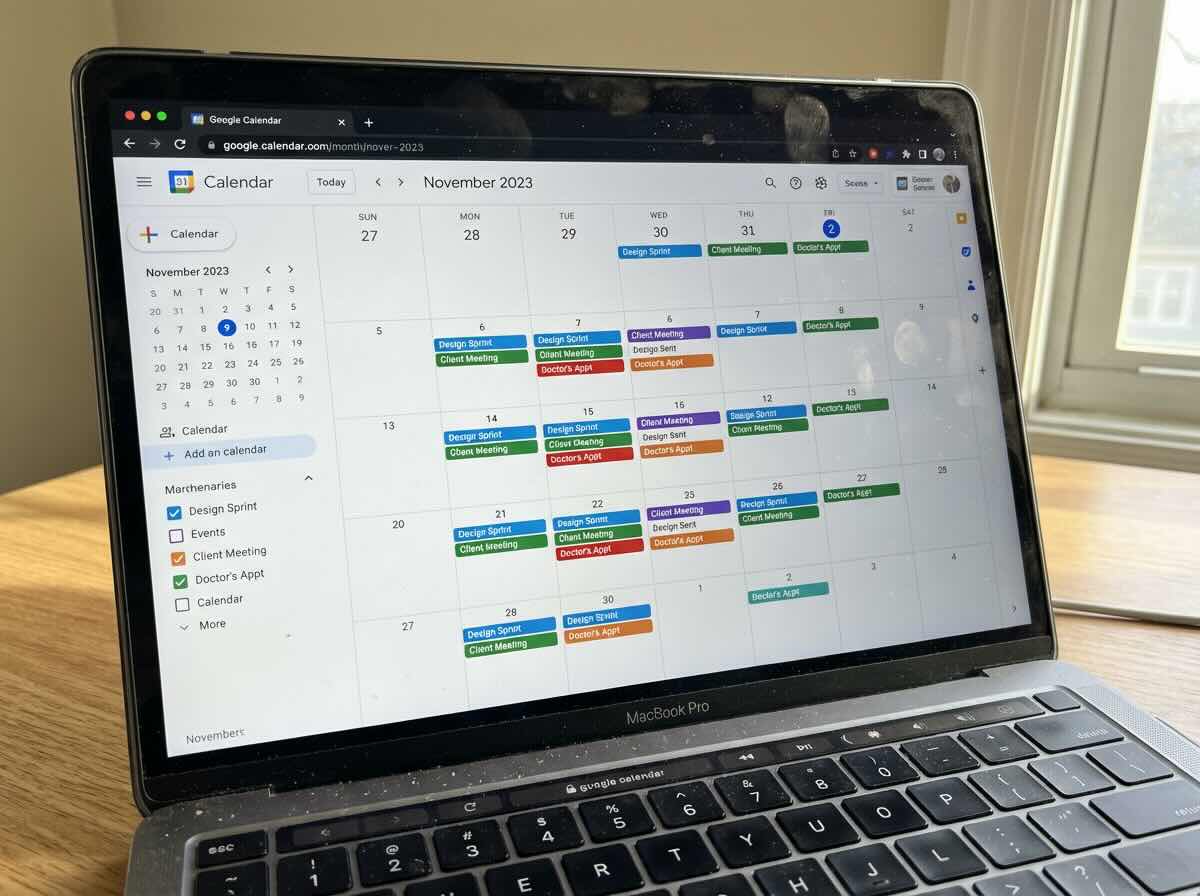
Creating a Google Sheet or Excel spreadsheet tracking all moving information helps keep everything in one place: mover quotes, contact numbers, moving day timeline, utility company info, address change confirmations, box inventory (which box contains what), and important documents. Using Google Drive folder for storing PDFs of quotes, estimates, contracts, and receipts keeps everything accessible. Creating a shared calendar with moving dates, deadlines, and appointment times helps partners coordinate without duplicated effort. Digital systems prevent details from falling through the cracks.
Physical Organization
Creating a color-coding system with tape or markers to highlight each room in your new home gets a specific color, and boxes destined for that room get the same color will makes moving day logistics far simpler. Establishing a labeling system with room name and contents (not vague labels like “stuff”) prevents chaos during unpacking. Creating a master inventory of box numbers helps you track what’s where: Box 1 = Kitchen, utensils and tools; Box 2 = Kitchen, dishes and glasses, etc. This labeling takes 30 seconds per box but saves hours during unpacking.
Creating a “moving day essentials” checklist you photograph and keep on your phone prevents the panic of searching for phone chargers on your first night.
Packing Strategies: Room-by-Room Approach
Packing room-by-room maintains organization and prevents the chaos of boxes scattered everywhere without clear purpose. Following this sequence helps you stay efficient and focused.
Kitchen (Start Week 6)
Packing least-used appliances, seasonal items, and specialty dishes first makes sense. Wrapping plates individually in packing paper or newspaper and individually wrapping glassware with padding between each glass prevents breakage. Using smaller boxes for heavy items (dishes, books) and larger boxes for lighter items (linens, plastic ware) makes boxes manageable. Sealing boxes clearly labeled “FRAGILE” on multiple sides alerts movers to handle with care. Packing pots, pans, and large serving dishes last since you’ll need everyday dishes until moving day.
Living Room And Bedrooms (Week 6-7)
Packing decorative items, out-of-season clothing, books, and non-essential electronics focuses your efforts on things you don’t use daily. Wardrobe boxes for hanging clothes prevent wrinkles and save space. Keeping shoes together and rolling clothing inside blankets saves space while providing cushioning. Keeping valuable electronics like computers or tablets with you rather than packing on the truck protects them from theft or damage.
Bathrooms (Week 7)
Packing medications, makeup, and toiletries in a separate clearly marked box matters since movers often won’t move hazmat items. Separating daily-use toiletries from extras and keeping daily-use items accessible until moving day prevents wasting supplies. Wrapping bottles securely prevents spills and mess.
Bedrooms (Week 7-8)
Packing out-of-season clothing first while keeping only current-season and essential items accessible works well. Setting up your bed immediately upon arrival at your new home matters tremendously. Good sleep dramatically improves your ability to manage the following unpacking days. Keeping one change of comfortable clothes and sleepwear separate makes them easy to access.
General Packing Tips
- Packing heavy items in small boxes and light items in large boxes prevents boxes from becoming too heavy to lift
- Labeling boxes AFTER packing ensures you know actual contents, not guesses
- Using every space efficiently by packing smaller items inside larger items (shoes, socks, linens inside drawers) saves space
- Keeping boxes from overfilling prevents boxes from requiring jumping to seal
- Staying under 50 pounds per box ensures movers and you can handle them manageable
Moving Day: What To Expect And How To Manage Stress
Before Movers Arrive
Walking through your home and ensuring movers have clear access to all areas prevents unnecessary complications. Removing obstacles from pathways and protecting floors with cardboard or drop cloths helps preserve your current home. Having parking reserved or permits secured if you’re in an urban building prevents neighbor conflicts. Ensuring utilities remain on until the last moment gives you lights, bathroom access, and water through the final moment of packing. Having your moving day essentials box clearly marked and placed where movers access it last ensures you don’t lose it on the truck.
During The Move
Staying present but not micromanaging works well because movers are professionals who know their jobs. Your role focuses on overseeing items placed in correct rooms (this responsibility stays with you) rather than supervising every detail. Keeping a “master list” of what should be on the truck and checking items as they’re loaded helps you verify nothing gets left behind. Staying hydrated and taking breaks reminds you that moving is physically and emotionally demanding and requires pacing yourself.
Managing Moving Day Stress
Creating an upbeat playlist to play during packing and moving genuinely shifts mood and makes the process feel less tedious. Taking photos of your current home after emptying gives you nostalgia capture, these photos often help more than you’d expect when you’re feeling homesick. If overwhelm hits, stepping outside for five minutes of deep breathing resets your nervous system. Practicing gratitude for specific things going well (movers arrived on time, weather cooperated, helpful friend showed up) maintains perspective.
Resisting the urge to start serious unpacking on moving day makes sense, you’re exhausted. Unpacking your essentials box, setting up your bed, and stopping there lets your mind and body rest. One good night’s sleep makes everything tomorrow feel more manageable than trying to accomplish everything when depleted.
Post-Arrival: Unpacking, Settling, And Address Changes
First 24 Hours

Unpacking your essentials box completely and arranging items where you’ll use them creates functionality quickly. Setting up your bed with clean linens before doing anything else matters more than you might think, sleep quality dramatically affects your mental state during the following days. Taking photos of your new space empty gives you reference for future decorating or insurance purposes if damage occurred during moving. Meeting immediate neighbors and introducing yourself builds community connection from day one.
First Week
Unpacking bedroom and bathroom completely helps you have functional sleeping and hygiene spaces. Setting up kitchen enough to prepare basic meals provides comfort and reduces expenses on eating out while stressed. Updating address with banks, credit card companies, insurance providers, investment accounts, and subscription services handles financial logistics. Registering to vote and updating healthcare providers’ records completes administrative essentials. Everything else can wait, prioritizing comfort and basic functionality helps you feel grounded.
First Month

Gradually unpacking remaining boxes room by room rather than everything at once prevents overwhelm. Avoiding buying replacement items for things you can’t find immediately usually works better, they’re probably in a box somewhere. After four weeks, if you haven’t unpacked a box, you probably don’t need what’s in it and donating those items reduces clutter.
Administrative Address Changes
- Post office (change of address form)
- Driver’s license and vehicle registration
- Banks and financial institutions
- Insurance providers (auto, home, health)
- Healthcare providers and pharmacies
- Employer and HR department
- Tax authorities (federal and state)
- Voter registration
- Subscription services and memberships
Creating a checklist and tracking completion dates helps you stay organized. Some of these have deadlines (typically 10-20 days to update driver’s license), so staying organized prevents legal complications.
First-Month Adjustment Timeline: Realistic Expectations
Most people underestimate how long settling into a new home actually takes emotionally and logistically. Knowing what’s normal helps you avoid interpreting discomfort as regret or wrong decision.
Days 1-3: Overwhelm And Fatigue
Everything feels chaotic, you can’t find basic items, and you’re exhausted from physical activity and decision-making. This is completely normal and temporary. Staying focused on basic comfort which is eating, sleeping, basic hygiene, and deferring everything else makes sense. Avoiding big decisions during this period helps since stress clouds judgment.
Days 4-7: Logistics Settling In
Initial shock wears off gradually and you start locating essential items. You begin to comprehend that the practical logistics of your new space, where light switches are, how utilities work, where to access different areas. Homesickness often intensifies this week as newness wears off and reality sets in. Scheduling video calls with friends and family from your previous location maintains connection.
Week 2: Exploration And Adjustment
Exploring your new neighborhood reveals grocery stores, coffee shops, parks, or other community spaces matching your interests. Initial unpacking focuses on making spaces functional and comfortable. Establishing basic routines (morning coffee shop, exercise, community engagement) grounds you in your new location. Accepting that it feels unfamiliar while building familiarity gradually over weeks helps you adjust.
Week 3-4: Settling In
Your new space starts feeling like home rather than a temporary location. You’ve found favorite local places, established routines, and decorated your space with familiar items. Homesickness usually decreases this week as you build genuine connections and comfort in your new location. Remaining open to new experiences and different ways of doing things rather than constantly comparing to your previous location accelerates settling.
Month 2+: Integration
You’re fully unpacked and your space feels genuinely comfortable. You’ve built some new local connections and established routines. Homesickness appears in moments (smells, songs, memories) rather than as continuous underlying discomfort. You can begin identifying areas you love about your new location rather than just missing what you left. This is when moving actually starts feeling like a positive transition.
Common Mistakes And How To Avoid Them
| Mistake | Why It Happens | How To Avoid It |
|---|---|---|
| Not Decluttering | Emotional attachment to stuff; underestimating volume | Starting 6-7 weeks ahead; asking “Do I actually use this?” for every item |
| Not Getting Multiple Quotes | Wanting to “check it off the list” quickly | Getting minimum 3 written estimates; comparing binding vs non-binding |
| Poor Box Labeling | Pre-labeling before packing; vague labels | Labeling boxes AFTER packing; being specific (not “stuff,” but “dishes and glassware”) |
| Not Measuring Furniture | Assuming furniture will fit because it does now | Measuring furniture AND doorways/stairwells; checking floor plans early |
| Skipping Insurance | Trying to save money; underestimating risk | Getting full-value protection; it costs $50-150 and prevents $5,000+ losses |
| Not Address Changing | Forgetting; thinking it’s not urgent | Creating deadline checklist; most address changes have 10-20 day limits |
| Starting To Pack Too Late | Underestimating how long packing takes | Starting 4 weeks before moving day; packing one room per week |
| Unpacking Everything At Once | Wanting to finish quickly; overwhelm during unpacking | Setting up bed first night; unpacking one room per day; leaving non-essentials boxed |
Common Questions From Anxious First-Time Movers
What if I regret moving? Will that feeling go away?
Regret or doubt often peaks days 3-7 when newness has worn off but familiarity hasn’t set in. This is normal grief about leaving, not indication you made the wrong choice. Homesickness usually resolves significantly by week 4 as you build routines and connections. Intentionally exploring your new area, establishing local favorite spots, and scheduling regular video calls with people you miss usually shifts perspective dramatically within a month.
How do I handle moving anxiety if it feels overwhelming?
Practicing deep breathing (5 slow breaths), taking 15-minute movement breaks to reset your nervous system, and reaching out to friends or family when overwhelmed all help. Breaking tasks into smaller steps prevents paralysis. If anxiety severely interferes with daily functioning, talking to a therapist is legitimate tool, not sign of weakness; moving represents major life change and professional support can really help.
What if I can’t afford full-service movers?
Hybrid (labor-only) moving delivers best value for most first-time movers, costing 60% less than full-service while eliminating physical strain. DIY moving with friends is free plus truck rental costs. The timeline chart helps you execute either option successfully. Free boxes and materials from businesses cut costs significantly. Moving during off-peak season saves 20-30% regardless of service type.
Is it normal to feel guilty about leaving my current place?
Yes absolutely. Homes carry memories and identity, so leaving feels like abandonment even though it’s logical progression. Acknowledging gratitude for the life you lived there, taking photos to preserve memories, and recognizing that leaving enables new growth usually helps. Guilt typically diminishes as your new space accumulates its own memories and meaning.
When should I start looking for new housing?
Beginning to actively tour homes 4-6 weeks before your target moving date helps you understand market and available options. Making decisions 3-4 weeks ahead allows time for closing/lease signing and movers booking. But if you’re not ready emotionally or logistically, delaying your move works better than forcing relocation before you’re prepared.
How do I meet people in my new city?
Joining community groups, hobby clubs, or volunteer organizations matching your interests within the first month helps. Attending neighborhood events or local community centers, taking classes in activities that interest you, and using apps like Nextdoor and Meetup to find local groups accelerates connection. Approaching new friendships without expecting immediate close bonds and genuine connection builds gradually that will definitely helps you settle in. Most people feel less isolated once they’ve attempted genuine community participation.
You’ve Got This: Moving Forward With Confidence
Moving anxiety is real but manageable when you follow structured planning and recognize that what you’re feeling is normal transition experience. You have all the tools to execute a successful move when you start early, stay organized, and prioritize what matters most. First-time movers often report that looking back, they worried far more than the situation warranted. Trusting the process and being kind to yourself helps you recognize that this period of discomfort is temporary transition toward an exciting new chapter.
Our relocation specialists help first-time movers navigate the entire process from initial planning through settling into your new space. Whether you need guidance on whether to hire professionals, coordination of logistics, or just reassurance about what’s normal during this transition, we’re here to support you.
Call (334) 659-1878 if you’d like to discuss your first move. We can answer your specific questions, help you create a customized timeline, recommend moving services matching your needs and budget, and be available throughout your moving process to help you feel confident rather than overwhelmed.
References and Sources
- Federal Motor Carrier Safety Administration – Protect Your Move Consumer Guide
- Mayo Clinic – Strategies for Coping with Life Transitions and Stress
- USA.gov – Official Guide to Moving and Changing Address in the U.S.
- Better Business Bureau – Smart Planning for a Smooth Relocation
- Internal Revenue Service (IRS) – Can i deduct my moving expenses from my tax?