Parking & Access
Queens Moving Parking & Access Guide
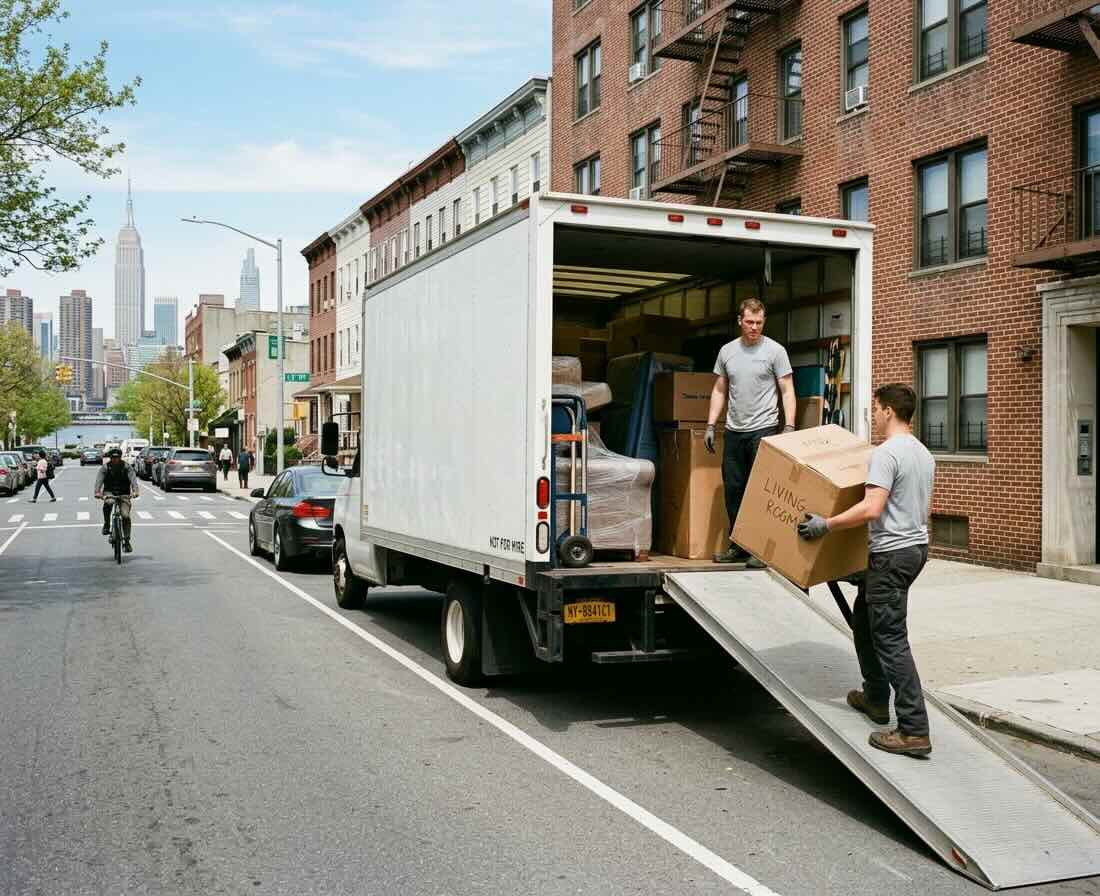
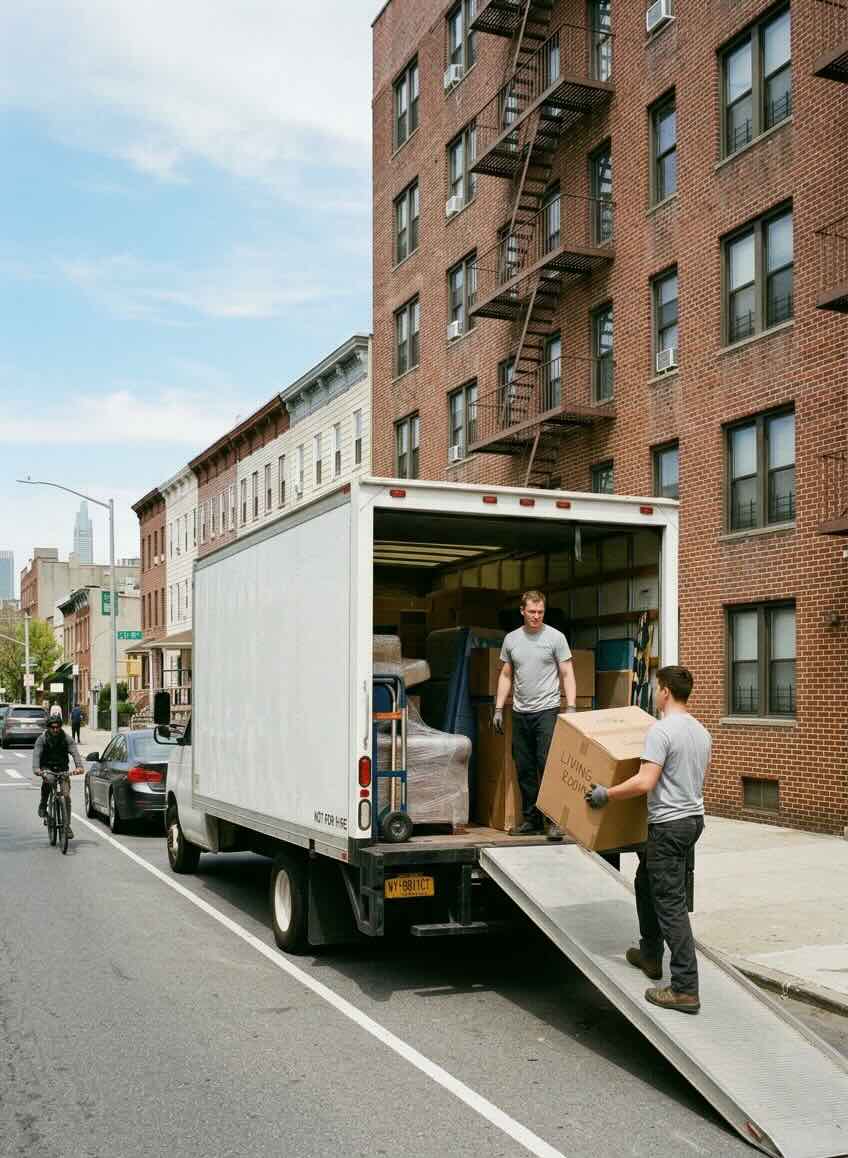
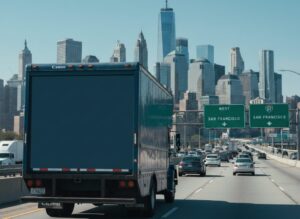
Queens presents a mix of dense apartment corridors, co-op buildings, older walk-ups, high-rises, single-family residential blocks, commercial streets, and expressway-heavy routing. Moving trucks can face real challenges in Astoria, Long Island City, Sunnyside, Woodside, Jackson Heights, Elmhurst, Flushing, Forest Hills, Rego Park, Jamaica, Ridgewood, Bayside, and Rockaway communities. Getting access confirmed before move day is the most effective way to prevent delays, long carries, tickets, or last-minute rescheduling.
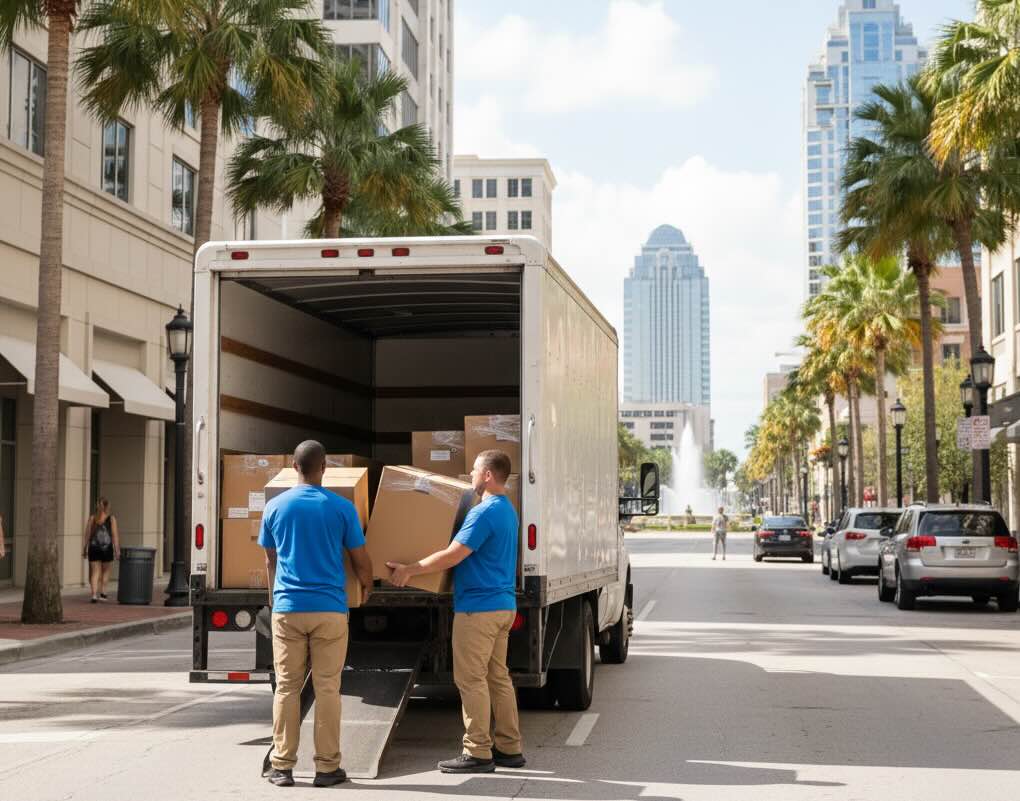
When a moving truck needs to use a loading zone, stage near a managed building, fit under a garage or awning, avoid a bus lane, work around alternate-side parking, or navigate a narrow one-way street, additional coordination may be required. Building rules, elevator windows, service entrances, curb availability, traffic enforcement, construction, school zones, and neighborhood parking patterns can all affect where the truck can legally and safely stage during loading or unloading.
🏙
Long Island City, Astoria, and Elevator Buildings
Long Island City, Astoria, Hunters Point, Dutch Kills, Sunnyside, and Woodside include high-rises, managed apartments, mixed-use buildings, and busy curb zones. Many properties require advance elevator reservations, loading area scheduling, move-hour restrictions, garage clearance checks, service entrance use, and Certificate of Insurance paperwork. Contact your property manager at least two weeks before your Queens move date to confirm the service entrance, elevator window, loading location, and insurance requirements your assigned carrier must satisfy.
🏘
Forest Hills, Jackson Heights, Rego Park, and Co-op Buildings
Forest Hills, Jackson Heights, Kew Gardens, Rego Park, Elmhurst, and surrounding neighborhoods include co-ops, prewar elevator buildings, narrow residential streets, busy commercial corridors, and strict building procedures. A co-op or condo board may require move deposits, elevator pads, limited move hours, insurance certificates, and advance documentation before approving the move.
🛣
Queens Highways, Bridges, and NYC Routing
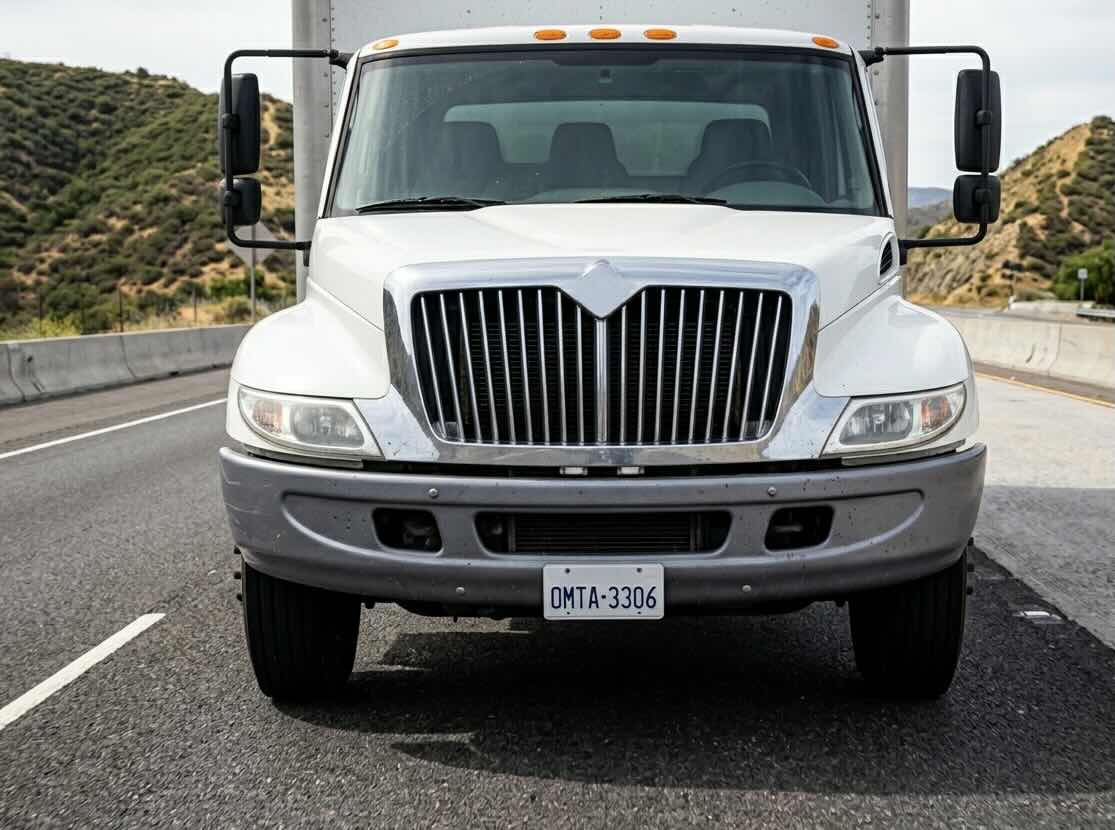
Queens moves often rely on the Brooklyn-Queens Expressway, Long Island Expressway, Van Wyck Expressway, Grand Central Parkway, Cross Island Parkway, Clearview Expressway, Queens Boulevard, Northern Boulevard, Woodhaven Boulevard, and bridge or tunnel routes toward Manhattan, Brooklyn, the Bronx, Long Island, and New Jersey. Rush-hour congestion, construction, airport traffic near JFK and LaGuardia, and event traffic can affect pickup timing and crew hours.
🏡
Eastern Queens, Rockaways, and Residential Access
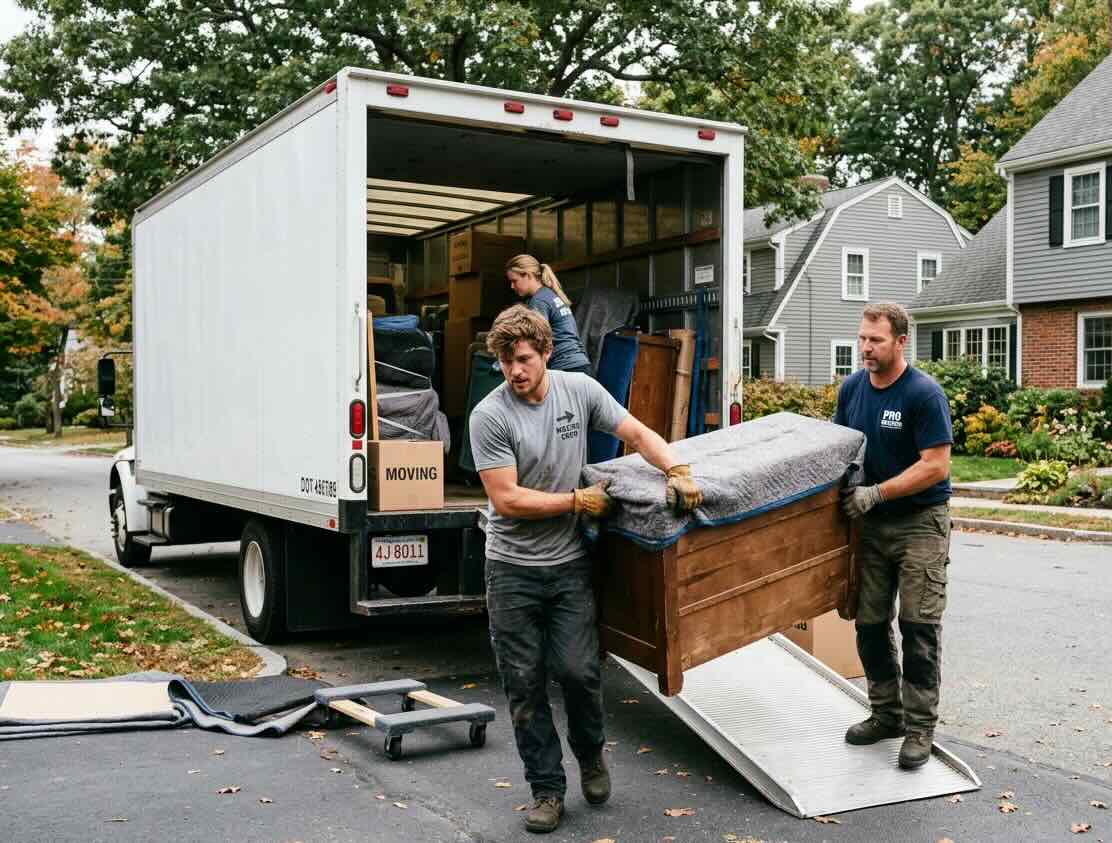
Bayside, Whitestone, College Point, Fresh Meadows, Hollis, Queens Village, Howard Beach, Broad Channel, Rockaway Beach, Belle Harbor, and Far Rockaway may include driveways, low trees, tight residential streets, coastal access issues, bridge routing, or limited truck staging near the home. Confirm truck access early and note any narrow streets, private drives, low wires, gated areas, or waterfront access limitations when requesting your quote.
Pro tip: For Queens moves, confirm three things before move day: where the truck can legally stage, whether the building or co-op requires a COI, and whether elevator, service entrance, loading area, parking, or move-hour coordination must be arranged. For Long Island City, Astoria, Forest Hills, Jackson Heights, Flushing, Sunnyside, Rego Park, and managed apartment moves, two weeks of lead time is strongly recommended.